
Jackfruit Tree Seedling: Grow the World’s Largest Fruit From Your Own Container
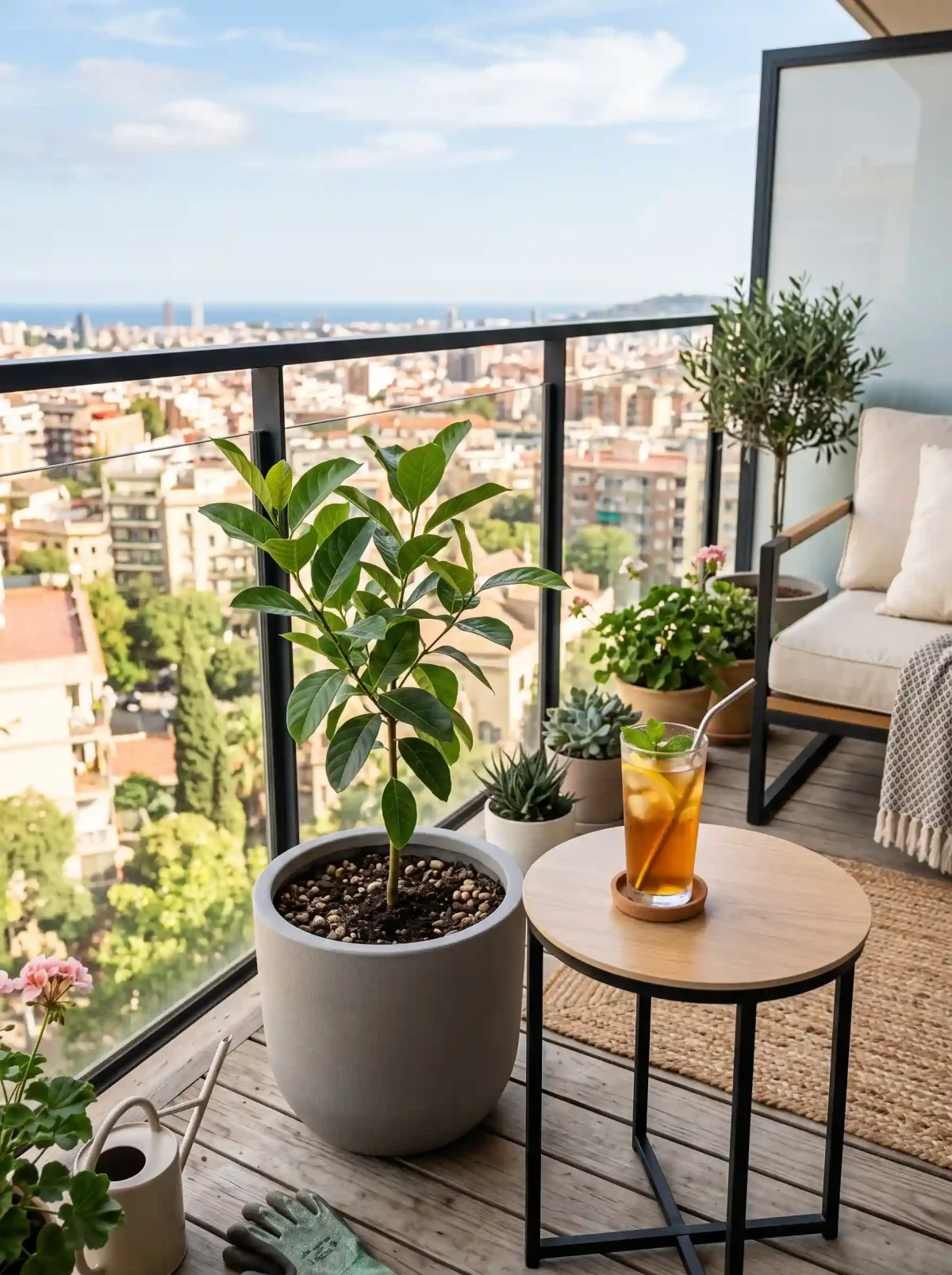
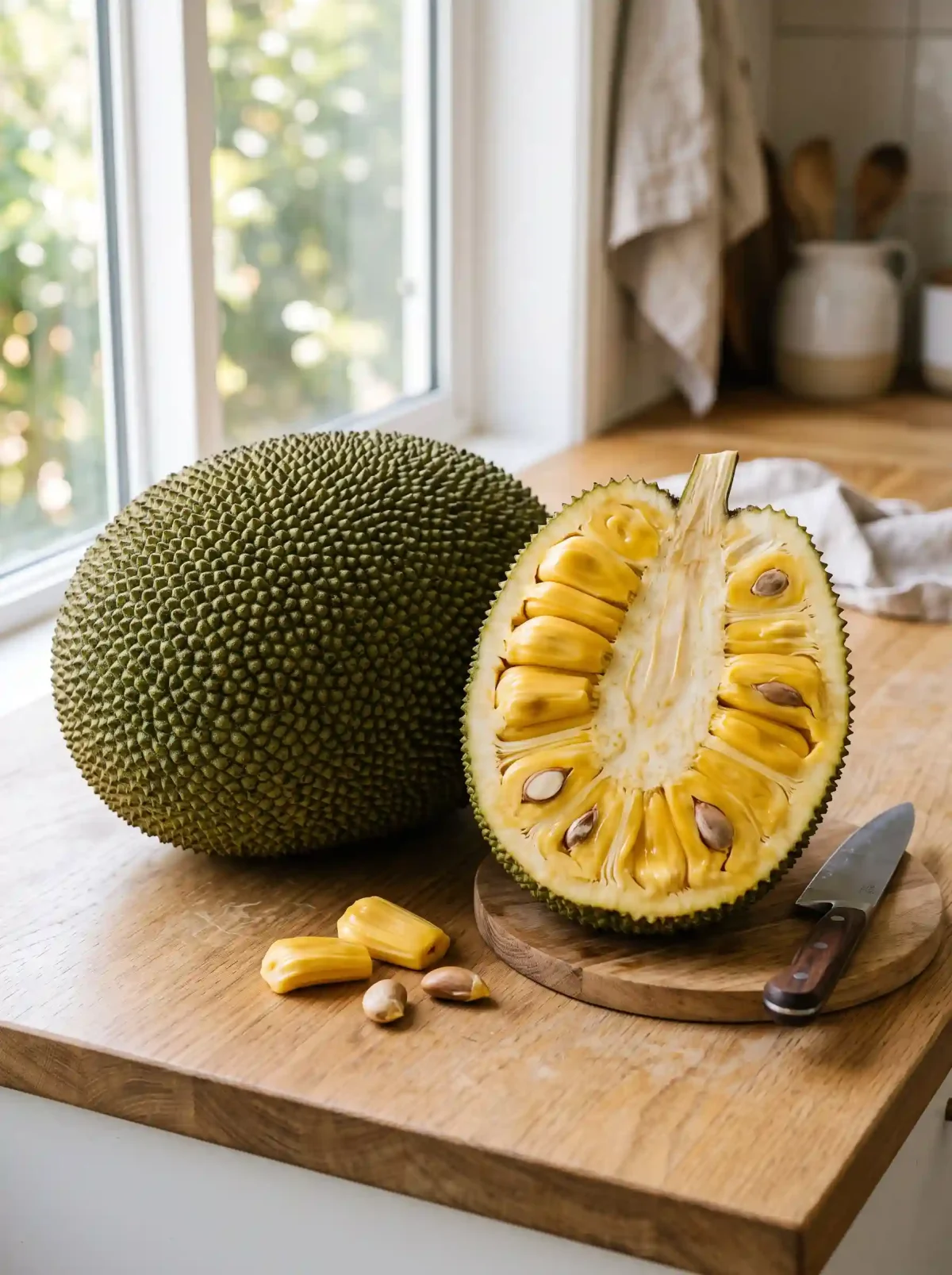
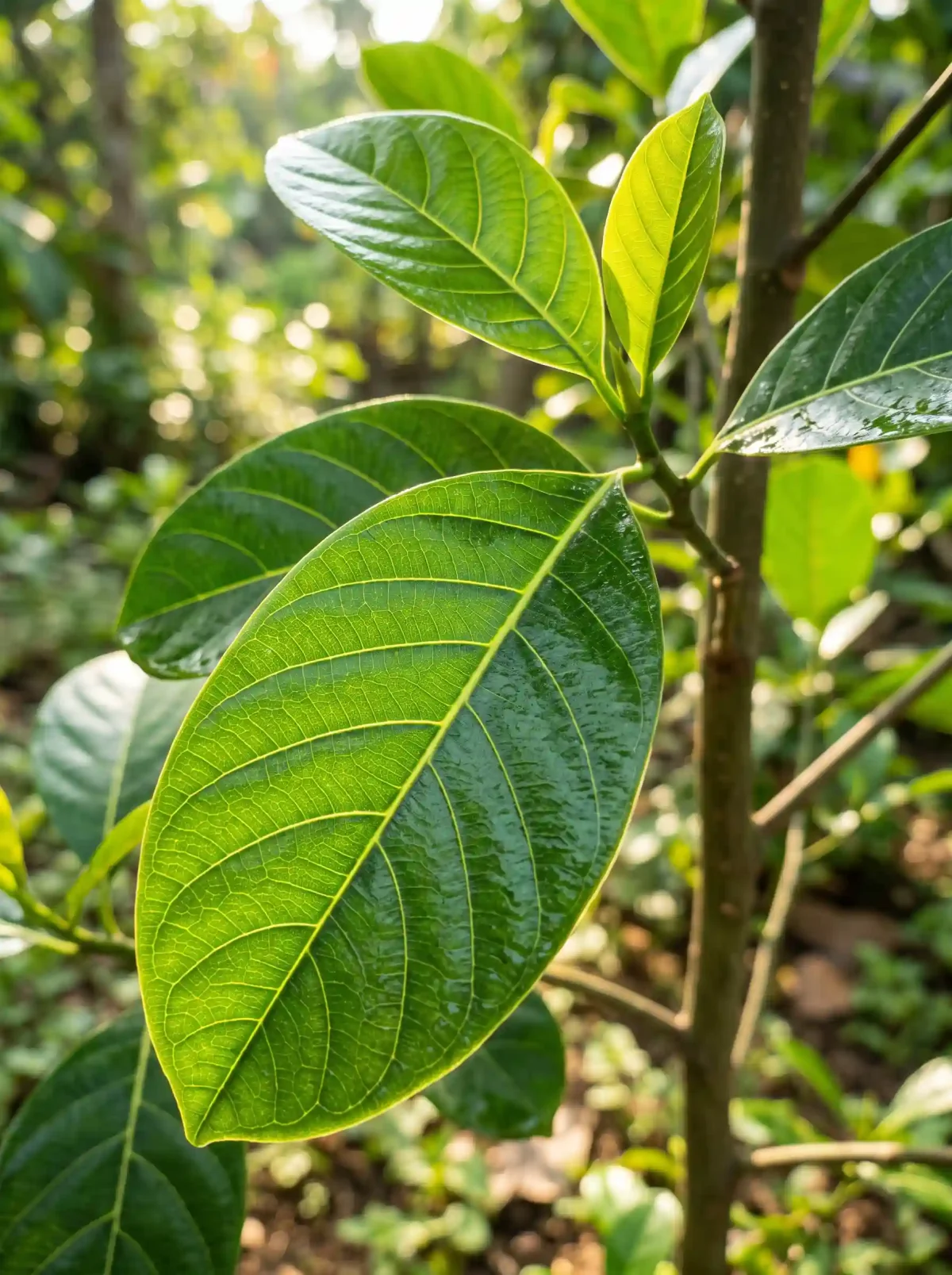
Jackfruit isn’t an impulse-buy plant. You buy one because you’ve seen them in an Asian grocery store — massive, spiky, impossibly heavy — and thought: Could I grow my own? The answer is yes. The jackfruit tree (Artocarpus heterophyllus) — the tree that bears the largest fruit on Earth — thrives in a pot, on a patio, or even beside a south-facing window. This 8–13-inch seedling is the start of the very plant most people only ever see on a supermarket shelf. Give it 6–8 hours of sun a day and keep its soil evenly moist, and it grows into a glossy-leaved tropical that’s striking long before its first fruit ripens.
Native to the Western Ghats of India and grown across South and Southeast Asia, jackfruit has fed people for more than 6,000 years. In the ground, a jackfruit tree can reach 70 feet tall and produce 100–200 fruits a year, each weighing 10–80 pounds. In a container, you control the size — pruned to 6–8 feet, it stays healthy for decades. Its glossy, oblong, deep-green leaves alone — up to 8 inches long — make it a room’s focal point. And when the fruit ripens, it tastes like a blend of mango, banana, and pineapple. Worth the wait.
Seedling vs. Grafted — Know the Difference Before You Buy
Growing from seed takes patience. Seed-to-fruit typically takes 4–6 years — not a flaw, but biology. Seed-grown trees develop deeper, stronger root systems and carry the full genetic character of their ancestors. Grafted trees fruit in 2–3 years and lock in the variety’s traits, but cost 2–3× more. Our jackfruit bare-root cutting is the fast option; this seedling is for the patient gardener. The University of Florida / IFAS Extension recommends planting jackfruit in frost-free areas — or growing it in a container everywhere else. For a full comparison, read our grafted fruit trees guide.
At a Glance
- Botanical name: Artocarpus heterophyllus
- Common names: Jackfruit, jackfruit tree
- Family: Moraceae — the fig, mulberry, and breadfruit family
- USDA hardiness: Zones 9b–11 outdoors year-round; grow indoors in zones 4–9a
- Size at shipping: 8–13 inches tall in a quality nursery pot with slow-release fertilizer
- Mature height: 6–8 feet in a pot (pruned); 30–70 feet in the ground
- Time to fruit: 4–6 years from seed (grafted trees fruit in 2–3 years)
- Light: 6–8 hours of direct sun daily; a south-facing window or quality grow light
- Water: Keep soil consistently moist but never soggy — water when the top two inches (5 cm) feel dry
- Temperature: 70–90°F is ideal; never below 50°F — bring indoors when nights drop below 55°F
- Pet safety: Non-toxic to cats and dogs; not listed in the ASPCA toxic plant database
Want to grow the world’s largest fruit? Read the “Care Guide” tab below for light, watering, pruning, and FAQs. Pair it with our Brogdon Avocado — a cold-hardy variety that fruits reliably in Zone 8. Browse our complete fruit tree collection for more container-friendly tropicals.
📖 Free Care Guide Included
Every seedling ships with our complete jackfruit care guide — container growing, cold protection, a pruning schedule, and FAQs.
New to tropical fruit trees? Browse our complete fruit tree encyclopedia — rootstocks, pollination partners, and seasonal care for every tree we grow.


