
The Lemon Tree You Can Smell Before You See It
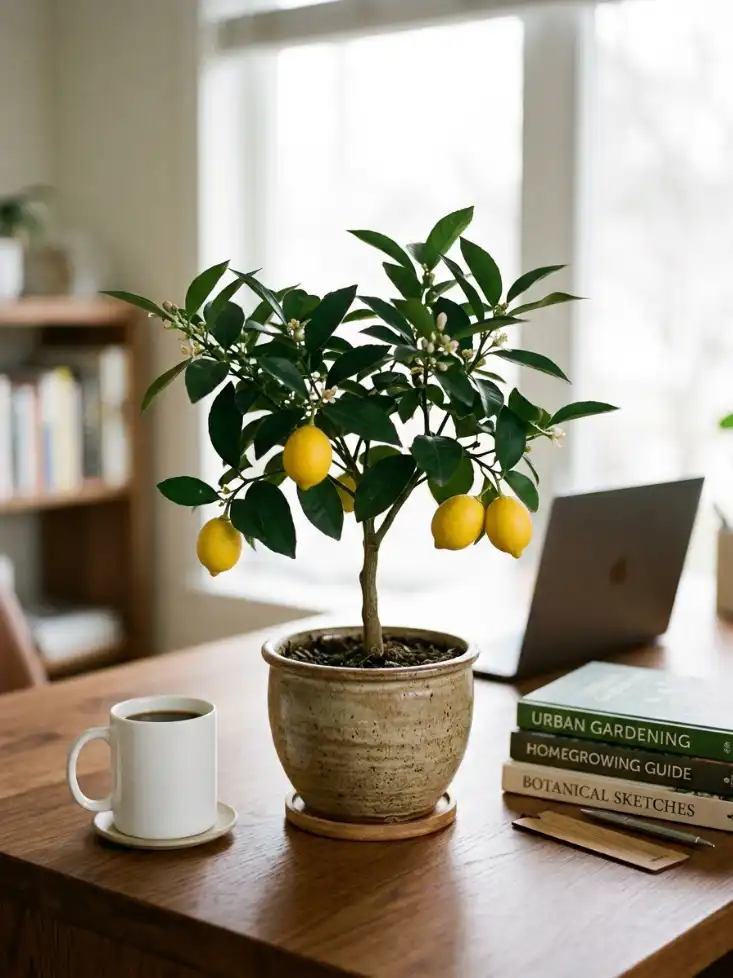
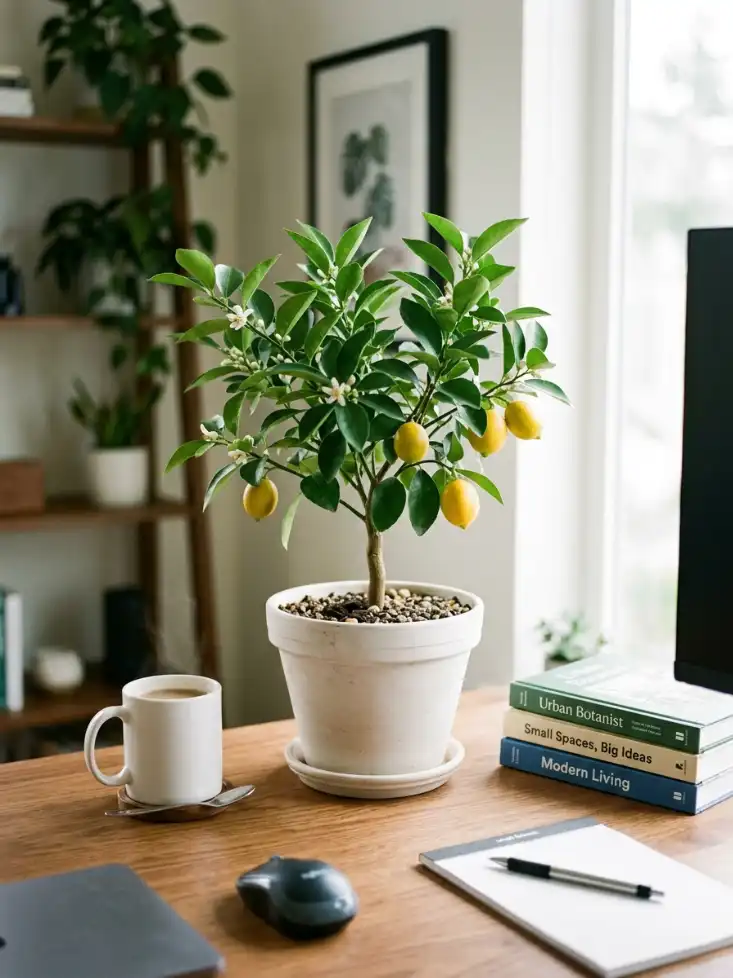
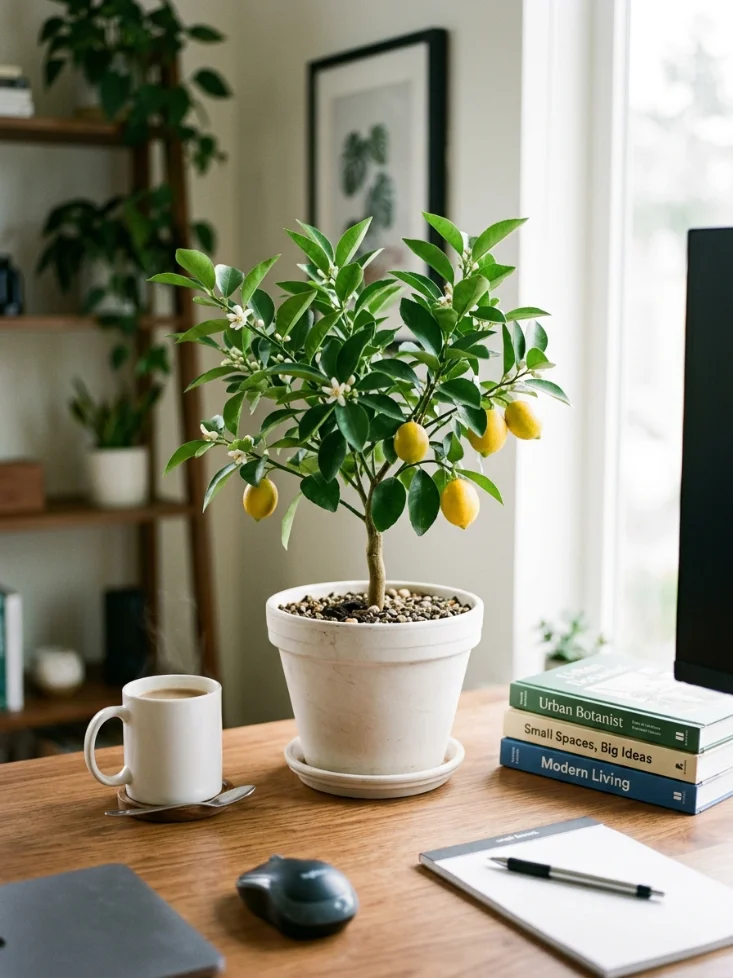
A fragrant lemon tree in bloom does not whisper. It announces itself. Walk within twenty feet of one in spring and the fragrance hits you first — sweet, clean, unmistakably citrus — before your eyes even register the clusters of waxy white blossoms covering every branch. The bees know. They will find your tree within hours of the first flower opening. And those flowers keep coming, in overlapping waves, because this is an everbearing variety that blooms and fruits throughout the year instead of delivering a single crop and clocking out. Your tree will carry blossoms, tiny green fruitlets, and full-sized yellow lemons all at the same time. It is the citrus equivalent of a restaurant that never closes.
The Lemon You Have Never Tasted
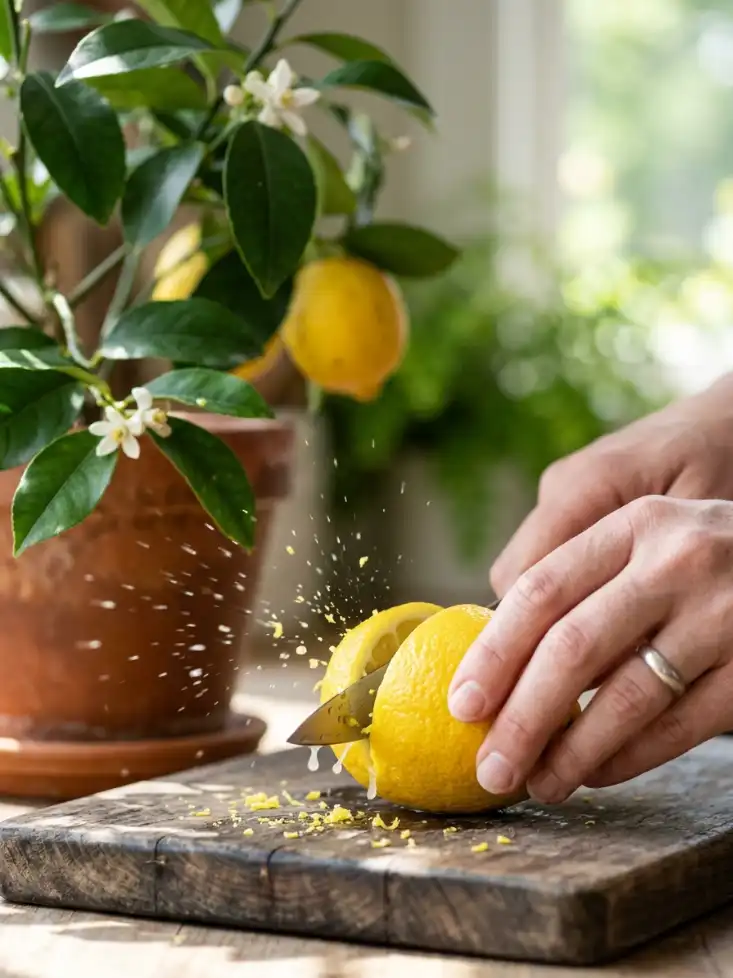
If you have only ever bought lemons from a grocery store, you have never actually tasted a lemon. Commercial fruit is picked green, stored cold, and gassed with ethylene to turn it yellow in a warehouse. A tree-ripened lemon — left on the branch until it pulls away with a gentle twist — has thinner skin, higher juice content, and an aromatic oil in the peel that you can smell across the kitchen. Squeeze it over grilled fish, stir the zest into sugar for lemon bars, or drop a slice into hot water on a winter morning. One tree keeps a household in lemons for the entire year, with enough left over to give away. Your neighbors will learn to expect the knock on the door.
Grown for Early Harvest
We source our fragrant lemon tree saplings from a specialist citrus nursery that grafts named varieties onto vigorous rootstock selected for container adaptability and early fruiting. A grafted tree skips the 5-to-7-year wait of seed-grown citrus. You can expect your first meaningful harvest in 2 to 3 years, with production increasing every season after that. University extension lemon growing guide confirms that lemons are among the most rewarding citrus for home cultivation. Browse our full citrus collection for companion trees like kumquat and calamondin.
Why a Fragrant Lemon Tree Earns Its Place
A Scent That Fills the Garden
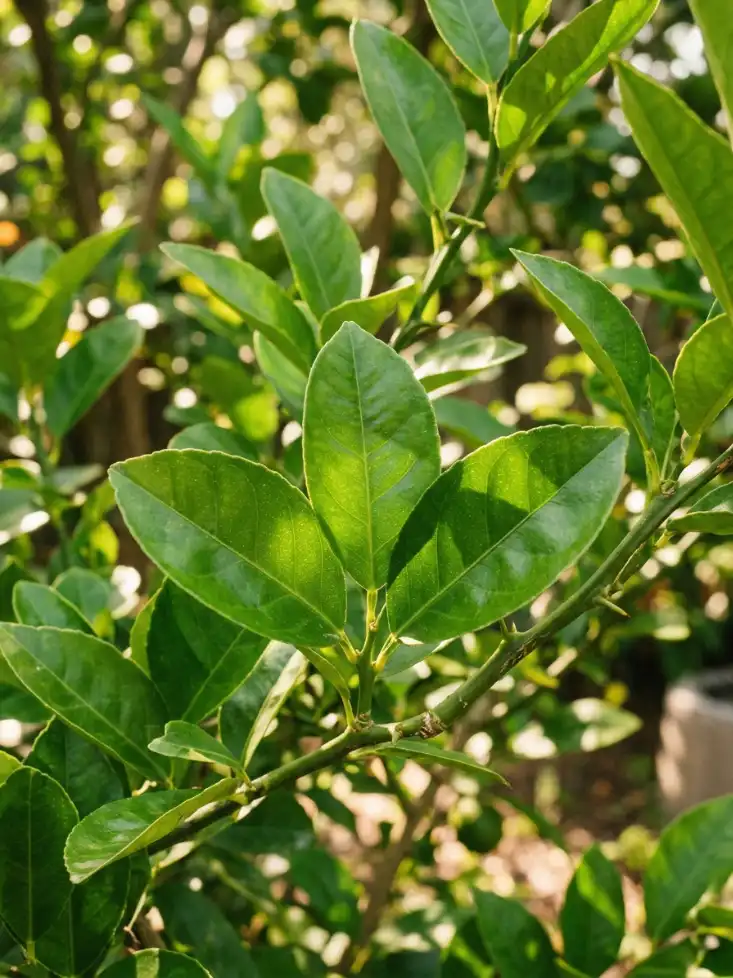
Lemon blossoms produce one of the most beautiful fragrances in the plant kingdom — sweet, clean, and complex, with notes of neroli and jasmine. A mature tree in full bloom can perfume an entire yard. The flowers appear in waves throughout the year, peaking in spring and continuing sporadically through summer and fall. Even when the tree is not fruiting heavily, it is still working — attracting pollinators, scenting the air, and looking handsome with glossy dark green leaves that are evergreen in frost-free climates.
Container-Friendly by Nature
Not all fruit trees accept life in a pot. This lemon does. In a 16-to-20-inch container with well-draining citrus mix, it stays a manageable 4 to 6 feet tall while producing 20 to 50 lemons per year once mature. In zones 9 through 11, it lives outdoors year-round. In zones 4 through 8, it summers outside in full sun and winters indoors near the brightest window you have. The transition indoors causes some leaf drop — this is normal, not a crisis. The tree bounces back with new growth when spring returns. A container lemon is not a compromise. It is a strategy.
Ever-Blooming, Ever-Fruiting
Unlike most fruit trees that deliver a single annual crop, this lemon is everbearing. The heaviest harvest comes in winter and early spring, but you will find ripe fruit on the tree throughout the year. This staggered production is ideal for a household — you are not drowning in lemons for three frantic weeks and then waiting eleven months for more. Instead, you get a steady, manageable supply. A few lemons a week. Enough for the kitchen. Enough to share. The tree works on its own schedule, and it works all year.
What to Expect When Your Sapling Arrives
First Steps
Your fragrant lemon sapling arrives as a young, grafted tree — well-rooted, about 12 to 18 inches tall, and already on its way. Plant it immediately in well-draining citrus mix in a container with a drainage hole, or in the ground if you garden in zones 9 through 11. Choose the sunniest spot you have — full, direct sun for at least 6 hours a day is non-negotiable for fruit production. Water it in deeply and let the soil dry slightly before watering again.
The First Year
During the first growing season, focus on roots and branches. Feed monthly with citrus-specific fertilizer from March through September. Pinch off any flowers that appear — this redirects energy into establishment. The tree needs to build a strong frame before it can support a meaningful crop. This requires patience. The payoff, however, is a tree that produces reliably for decades rather than struggling through a few weak harvests and giving up.
The Payoff
By year two or three, let the tree flower and fruit. You should see your first real harvest — modest at first, then increasing each year. A mature container tree yields 20 to 50 lemons annually. In the ground, 100 or more. The fragrance alone — those waves of white blossoms appearing throughout the year — is worth the price of the tree. The lemons are a bonus. Browse our full citrus collection for more patio-friendly fruit trees.
⚠ Pet Safety Notice
Lemon trees contain essential oils and psoralens in the leaves, stems, and fruit that are toxic to cats and dogs. Symptoms include vomiting, diarrhea, and skin irritation. Keep pets away from fallen leaves and fruit. If ingestion is suspected, contact your veterinarian immediately. ASPCA Animal Poison Control
📖 Free Care Guide Included
Every plant ships with our complete care guide — watering, pruning, troubleshooting, and seasonal calendar. Read the full guide before your tree arrives →
New to fruit tree care? Read our complete Fruit Tree Care Guide — soil, watering, pruning, and organic pest control for every backyard orchard.


-scaled-300x400.webp)
