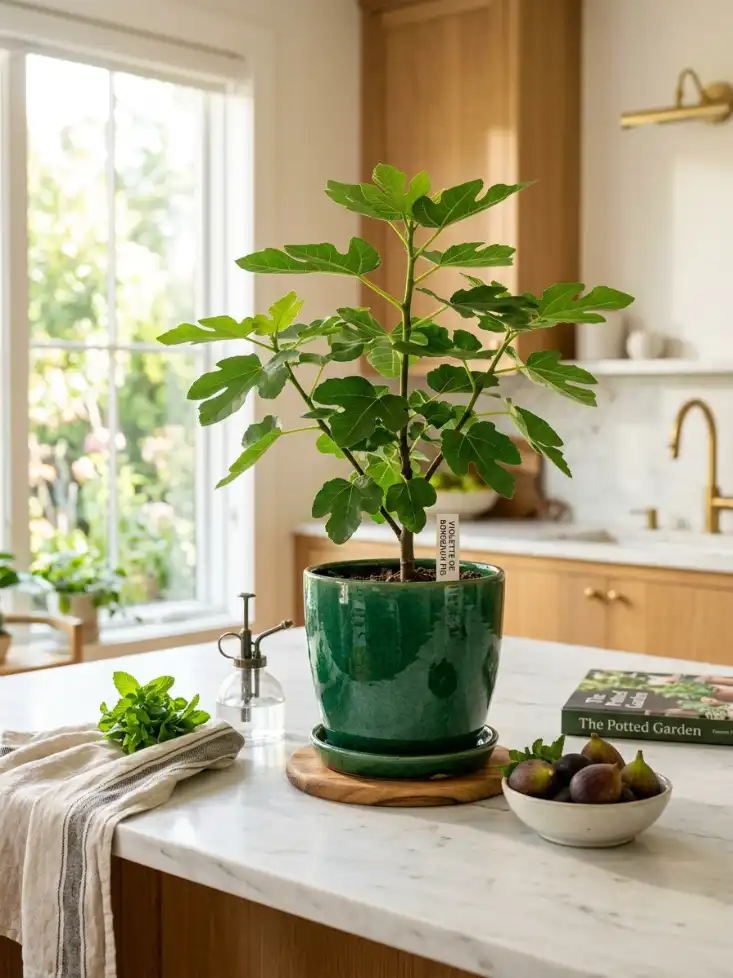
The Fig Tree: A Mediterranean Legacy in Your Backyard
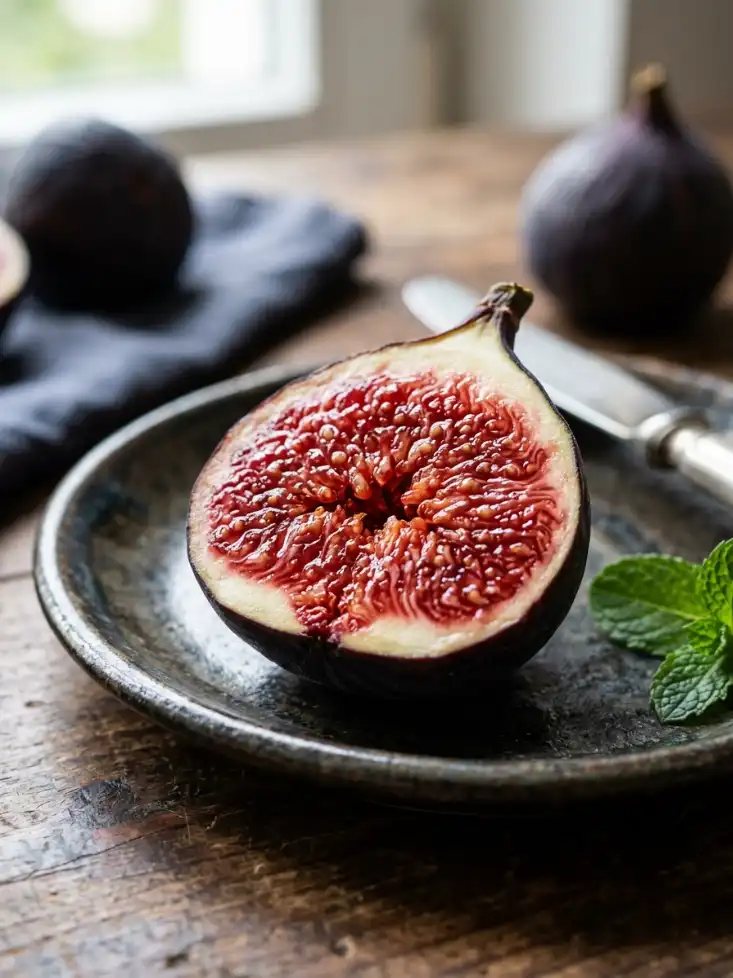
There is a moment in late August, standing in front of your own fig tree, when you reach up and gently squeeze a fruit that has been ripening in the sun for weeks. It yields slightly under your thumb. You twist it off the branch, still warm, and bite through the thin skin into flesh the color of sunset—honey-sweet, jammy, with tiny seeds that crackle between your teeth. That moment, right there, is why people have been planting figs for eleven thousand years.
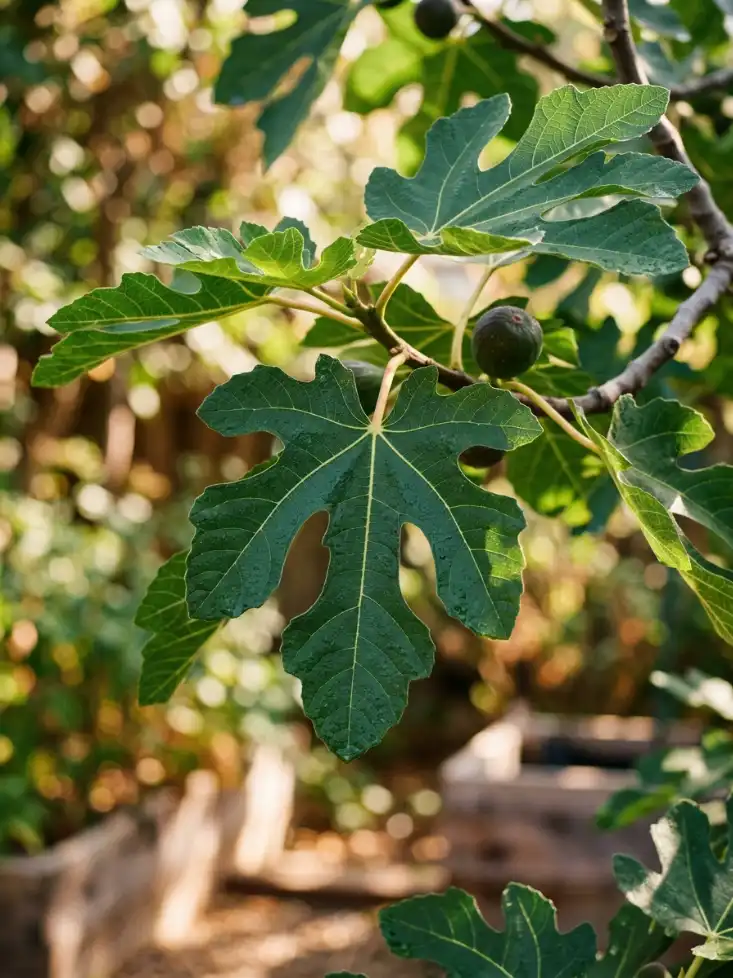
The common fig, Ficus carica, is not a demanding tree. It asks for sun. It asks for soil that drains. Beyond that, it largely takes care of itself—producing not one but two crops a year, thriving in containers when its roots are slightly confined, and overwintering with minimal fuss in most of the continental United States. If you have ever wanted to grow your own fruit but felt intimidated by the spraying schedules, the pruning manuals, and the pollination charts that come with apples and stone fruit, a fig tree is your answer.
A Tree That Predates Agriculture
Archaeologists excavating a Neolithic village near Jericho found carbonized figs dating to 9,400 BCE—a full thousand years before the first cultivated wheat and barley. The fig was not just one of the first fruits humans ever ate; it may have been the reason we started planting things on purpose. Across the ancient Mediterranean, from Sumerian orchards to Roman villa gardens, the fig was wealth you could count on: a single mature tree, given sun and well-drained soil, could feed a family for generations, asking almost nothing in return. Curious about the economics? See how much a backyard orchard actually saves you.
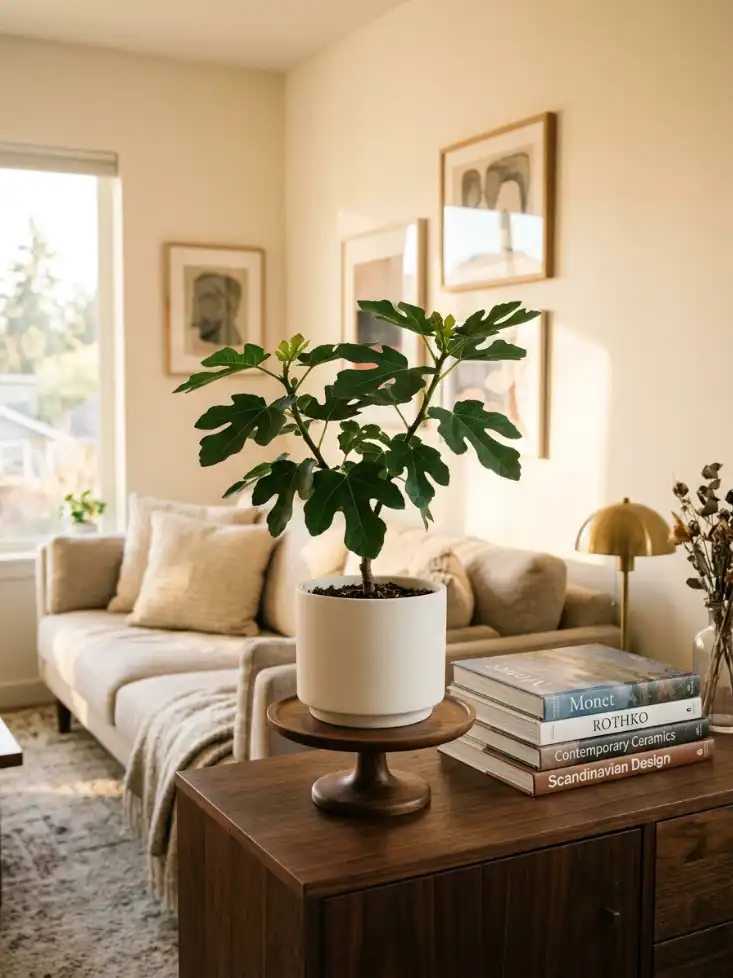
That same tree grows just as willingly in a modern suburban backyard or a container on a sunny apartment balcony. The genetics have not changed. The deal has not changed either.
The Honest Truth About Growing Figs
Figs are easy—genuinely—but they are not indestructible. The single most common cause of failure is wet, poorly drained soil. A fig sitting in soggy clay will drop its leaves, rot its roots, and die within a season. The fix is simple: plant it where water does not pool, or put it in a container with a fast-draining potting mix and a large drainage hole. If you do nothing else right, get the drainage right.
The second thing to know is that figs fruit on a timeline, not on demand. A young sapling spends its first year building roots. By year two, you will likely see your first breba crop—a light early harvest on last year’s wood, followed by the main crop in late summer. By year three, the tree hits its stride. After that, it is two crops a year, every year, for decades. Patience in the first season pays back with compound interest.
Two Crops, One Tree, No Pollinator
Unlike apples that need a second variety, unlike squash that needs bees, the common fig is self-fertile. Its flowers are hidden inside the fruit—they never open, never need pollination, never depend on a specific wasp species. You need exactly one tree. The first crop (breba) appears in early summer on last season’s growth. The main crop ripens from late August through October on new wood. Two harvests, same tree, no extra work.
Why Container Figs Often Outperform In-Ground Figs
This is the secret that surprises new growers: figs fruit more reliably when their roots are slightly confined. In open ground with unlimited space, a fig tree often channels its energy into becoming a massive tree—20, 30 feet tall—before settling down to produce. In a container, mild root restriction signals the tree to focus on reproduction. The result is a compact, manageable plant that fruits earlier and proportionally heavier. A 14- to 18-inch pot on a sunny patio can yield dozens of figs each year from a tree no taller than you are.
Who This Tree Is For—and Who It Is Not
Perfect for: Beginner fruit growers. Patio and balcony gardeners. Anyone who wants homegrown fruit without spraying schedules and pollination charts. People in Zones 6 to 10 looking for a low-maintenance perennial that improves with age. Cooks who understand that a fresh fig, sliced onto a salad or draped over yogurt with honey, is something you cannot buy in a store.
Not ideal for: Shade gardens—this tree needs full sun or the fruit will not sweeten. Heavy clay soils that stay wet—unless you are growing in a container with well-drained mix. Gardeners who want fruit the same season they plant—figs take a year or two to begin producing. Anyone looking for a maintenance-free plant—you will need to water, prune annually, and protect in cold zones.
Quick Facts
- Botanical name: Ficus carica
- Common names: Common fig, edible fig
- USDA hardiness: Zones 6 to 10 (hardy to about 0 degrees Fahrenheit once established)
- Mature size in ground: 15 to 30 feet tall; easily kept at 4 to 6 feet with winter pruning
- Container size: Thrives in pots 14 inches and larger; naturally stays compact with root restriction
- Sun: Full sun, 6 to 8 hours daily minimum
- Harvest: Two crops—breba in early summer, main crop in late summer through fall
- Self-fertile: Yes—only one tree needed; flowers are inside the fruit
- Pet safety: Ripe fruit is safe. Tree sap (white latex) is a skin irritant—wear gloves when pruning
- Growth rate: Moderate to fast once established—expect significant growth each season
Ready to taste a sun-warmed fig from your own tree? Read the Care Guide tab below for planting, watering, pruning, and winter protection—everything you need for decades of harvests. Browse our full fruit tree collection for more home orchard varieties.
📖 Free Care Guide Included
Every plant ships with our complete care guide — watering, pruning, troubleshooting, and seasonal calendar. Read the full guide before your tree arrives →
New to fruit tree care? Read our complete Fruit Tree Care Guide — soil, watering, pruning, and organic pest control for every backyard orchard.