
The Bare Root Guava That Fruits in Year One
Most fruit trees make you wait. A guava tree does not. A grafted sapling can flower and set fruit within 12 to 18 months of planting — lightning speed compared to the 5-to-7-year wait for a mango or avocado. Once it starts, a mature tree produces 50 to 100 fruits annually, each one a fragrant, pink-fleshed orb packed with four times the vitamin C of an orange. The fragrance of a ripe guava is so potent you can smell it across the yard. The tree is evergreen in frost-free climates, with smooth, peeling copper-colored bark and white pom-pom flowers. It is one of the fastest, most forgiving fruit trees a home gardener can plant. A guava tree is the closest thing to instant gratification in the edible garden.
Built for Beginners
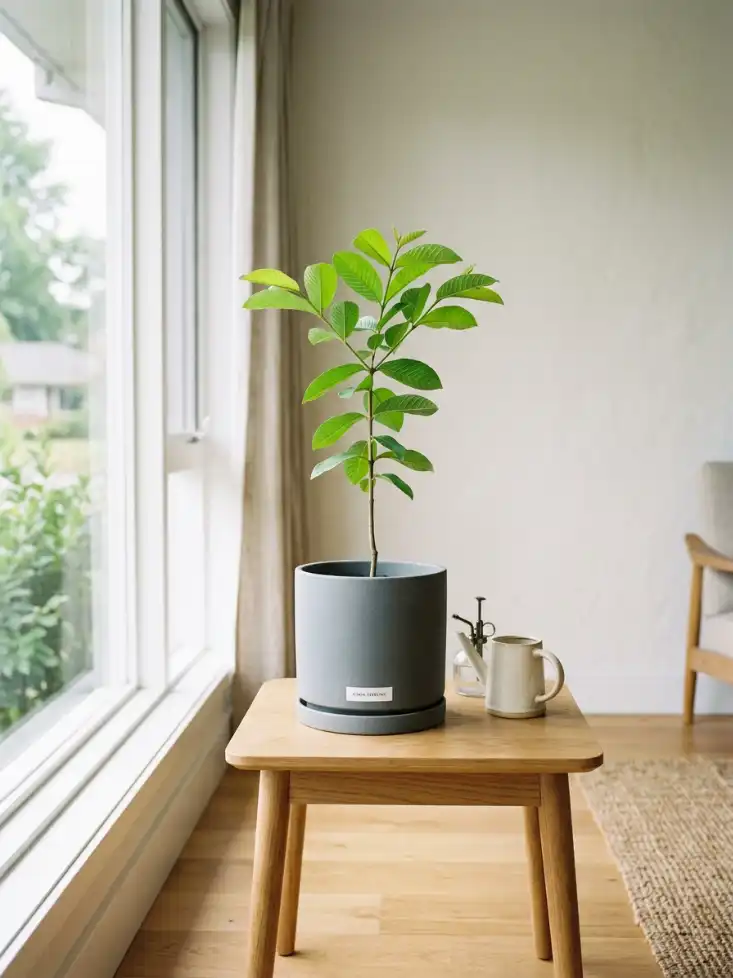
Guava is not a fussy tropical diva. It tolerates a wide range of soils. It handles drought once established. It grows 2 to 3 feet per year in good conditions. In zones 9 through 11, it thrives outdoors year-round. In zones 4 through 8, it grows happily in a large container that summers outside and winters near a bright window. The tree fruits on new growth, so annual pruning stimulates production rather than reducing it. Pests and diseases are minimal. If you have never grown a fruit tree before, a guava tree is an excellent place to start. If you have grown many fruit trees and are tired of the ones that demand constant attention, a guava tree will feel like a vacation.
Sourced for Early Production
We source our guava trees from nurseries that graft named varieties for reliable fruiting. University of Florida Extension confirms that guava is one of the easiest tropical fruits for container culture. Browse our full fruit tree collection for more backyard edibles.
Why a Bare Root Guava Tree Earns Its Place
From Planting to Harvest in Record Time
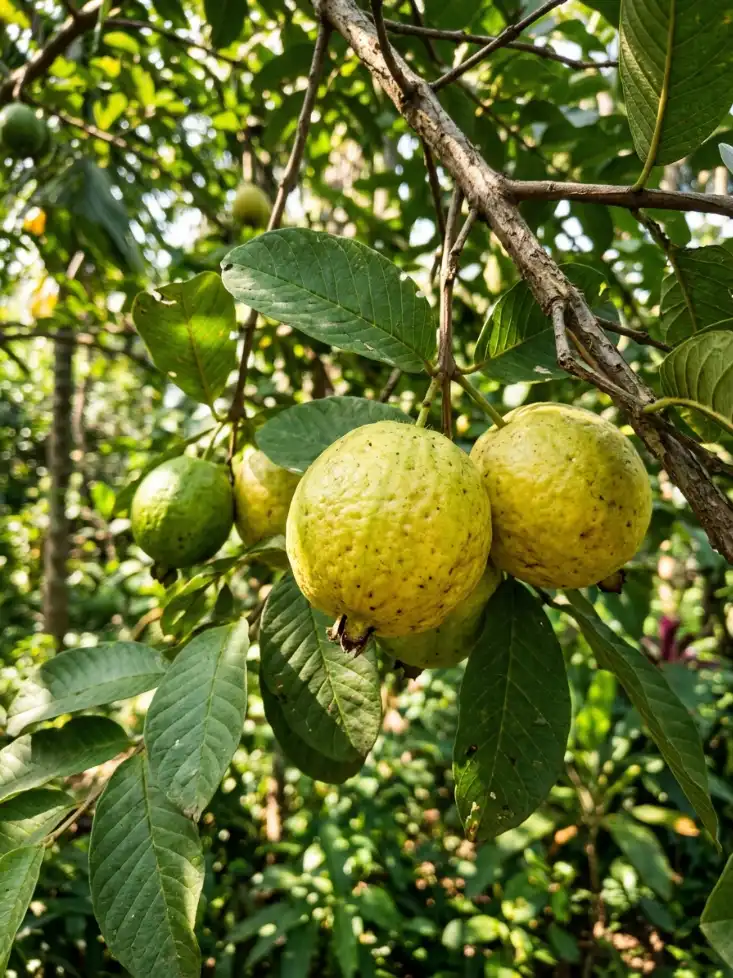
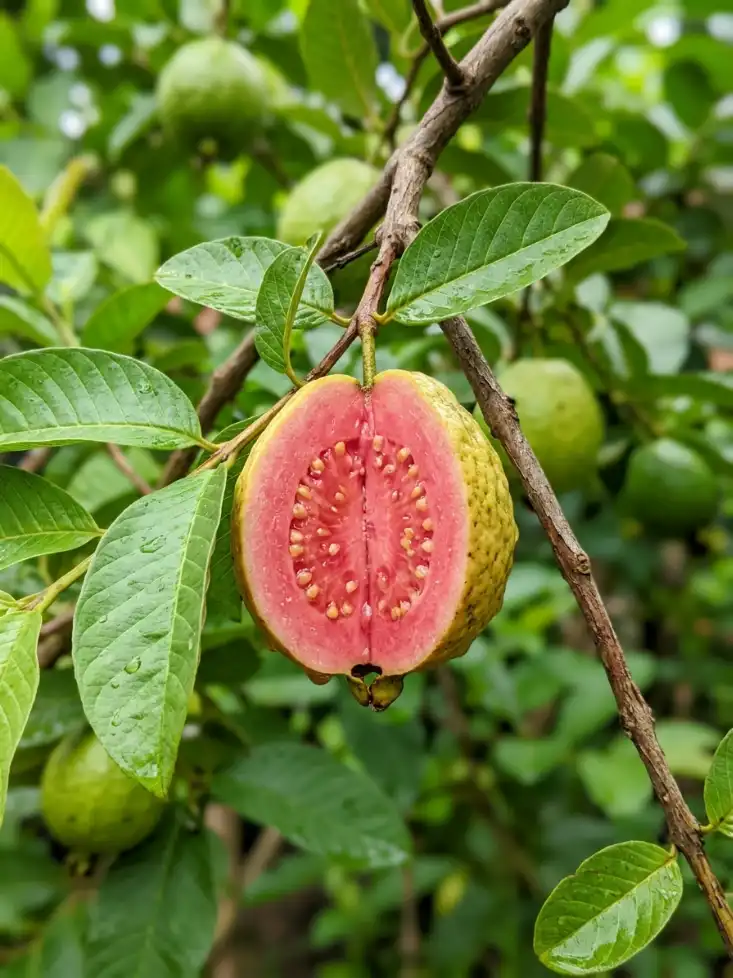
Guava is one of the fastest fruit trees from nursery pot to harvest. A grafted bare root tree planted in spring can flower by late summer and produce its first fruit the following year. In ideal conditions, a 5-year-old tree produces 50 to 100 fruits annually. The fruit ripens from green to yellow-green with a powerful sweet-musky fragrance that is your harvest signal. The flesh is pink or white, soft and creamy, studded with small edible seeds. A single fruit contains more vitamin C than four oranges, plus significant potassium, fiber, and lycopene. The fruit can be eaten fresh, blended into smoothies, stewed into a pink paste for pastries, or juiced. A mature tree produces enough to keep a household supplied through the summer and fall harvest season.
A Tree That Looks as Good as It Fruits
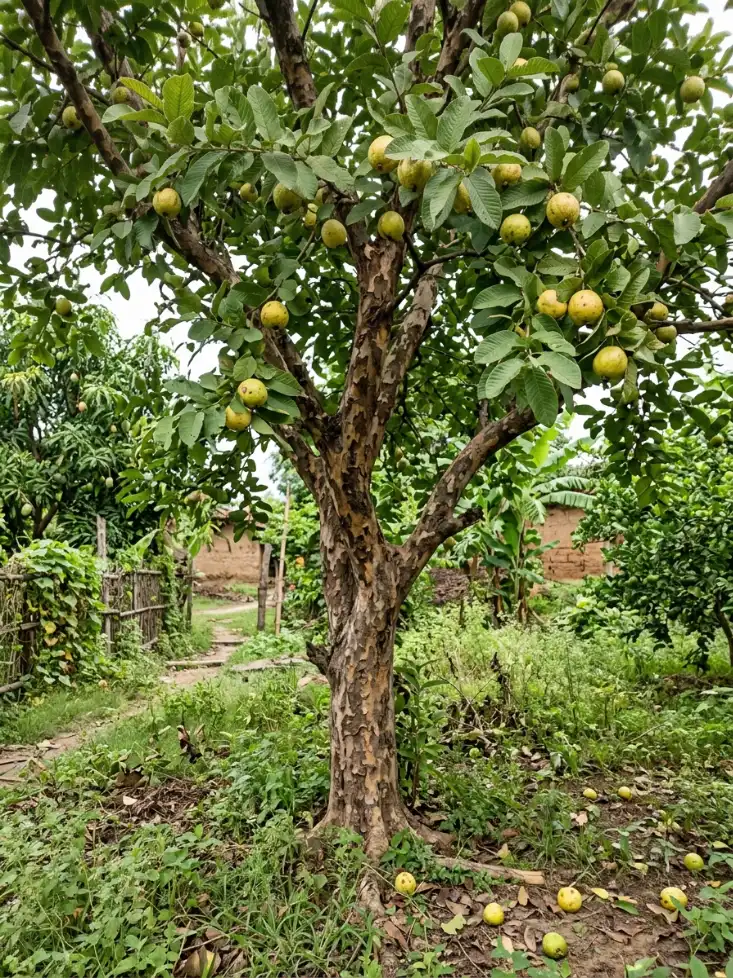
Even without the fruit — which never actually happens — a guava tree is attractive. The bark is smooth and peels in patches, revealing a mottled pattern of copper, cream, and green. The white, pom-pom-like flowers appear in spring and summer. The glossy green leaves are evergreen in frost-free climates. In the ground, it reaches 8 to 15 feet. In a large container, it stays 4 to 6 feet. It is dense enough to serve as a screening plant and ornamental enough to stand as a specimen. A guava tree is never just a fruit tree. It is a landscape plant that happens to produce an extraordinary amount of food.
Manage the Mess
Guava trees drop fruit, and fallen guavas attract wasps, ants, and fruit flies. They stain hardscape as they rot. If you plant a guava tree near a patio or walkway, commit to daily cleanup during fruiting season. Harvest promptly before fruit drops. The mess is manageable if you stay on top of it. Site the tree 10 to 15 feet from seating areas. The fragrance of ripening fruit and the sight of a tree loaded with golden-green guavas more than compensates for the minor effort of keeping the ground underneath it clean.
What to Expect When Your Tree Arrives
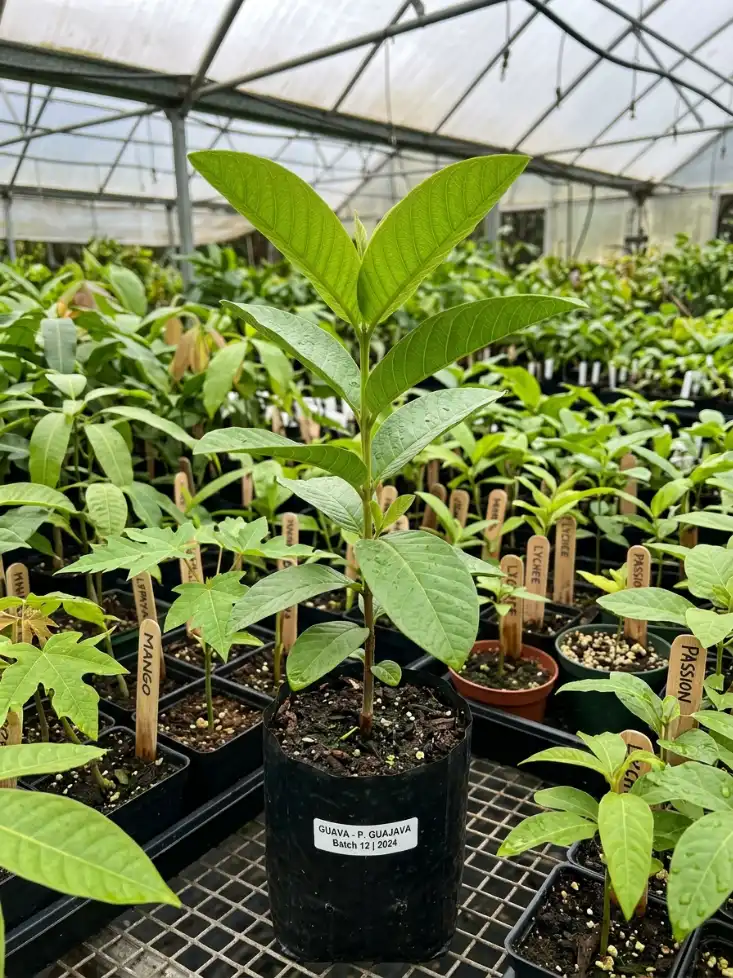
Your guava tree arrives dormant, ready to plant. Soak the roots for 2 to 4 hours. Choose a site with full sun and well-draining soil. Plant at the same depth the tree was growing. Water deeply and consistently during the first growing season. Feed every 4 to 6 weeks with a balanced fruit tree fertilizer during the growing season. The tree may flower in its first year — you can let a few fruit develop, but removing most of them redirects energy into root and branch establishment for a stronger tree. In zones 8 and below, grow in a large container and move indoors before frost. Browse our full fruit tree collection for more fast-producing edibles.
📖 Free Care Guide Included
Every plant ships with our complete care guide — watering, pruning, troubleshooting, and seasonal calendar. Read the full guide before your tree arrives →
New to fruit tree care? Read our complete Fruit Tree Care Guide — soil, watering, pruning, and organic pest control for every backyard orchard.