





The Flower That Perfumes an Entire Room From a Single Stem
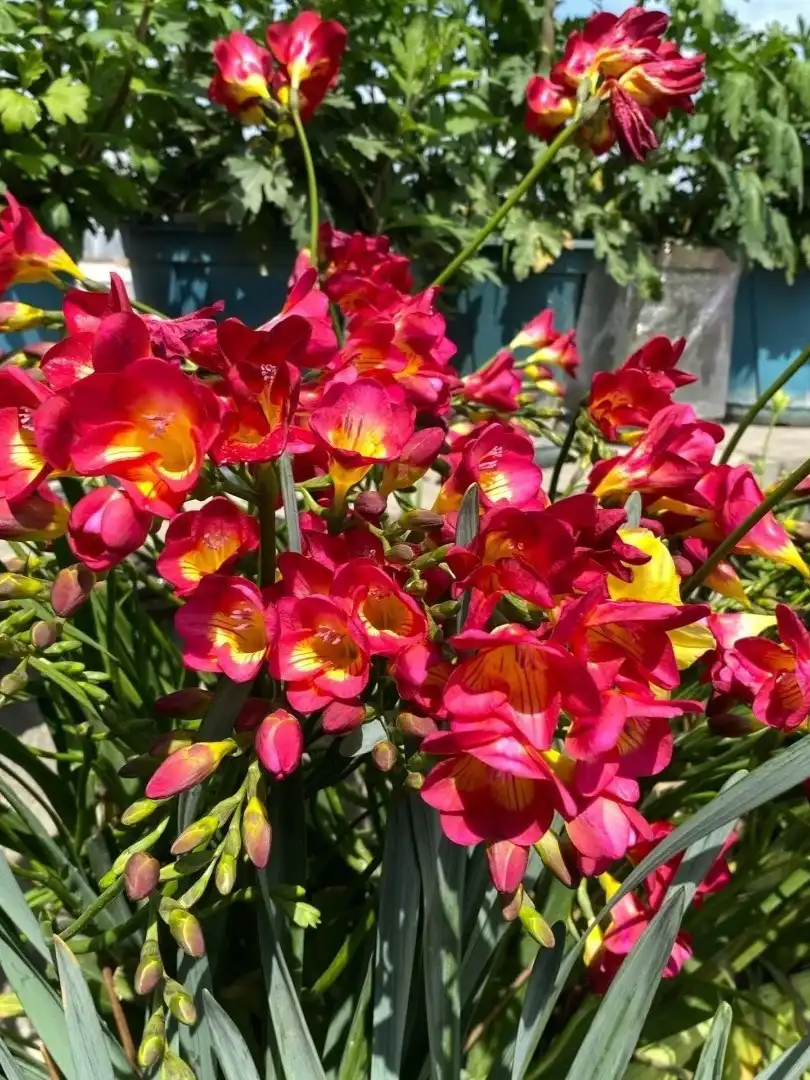
There are flowers you look at, and then there are flowers you smell before you see. Freesia belongs to the second category. Walk into a room with a vase of blooming freesia on the table, and you will notice the fragrance first — sweet, clean, somewhere between jasmine and fresh laundry drying in the sun — before your eyes even find the flowers. No candle, no diffuser, no plug-in air freshener comes close. Our freesia bulbs produce stems that fill an entire room with scent for over a week.
If you have ever bought cut freesia from a florist and paid fifteen dollars for five stems that wilted in four days, growing your own is the obvious next move. A single bag of corms costs about the same as one florist bouquet and produces dozens of stems, season after season. Each corm sends up slender, arching stalks loaded with six to ten trumpet-shaped blooms that open in sequence from bottom to top, stretching the show over two to three weeks. Plant freesia bulbs in batches two weeks apart and you get continuous blooms from late winter through spring — a flower that pays for itself in a single season. University of Wisconsin Extension recommends freesia for even the smallest gardens and indoor forcing.
The Fragrance Is the Point
Freesia scent is not subtle. It is produced by the same natural compounds — linalool and beta-ionone — found in jasmine and violets. White and yellow varieties are the most intensely perfumed. Red and pink carry a lighter, spicier note. Purple is the mildest. Whatever your color preference, a vase of blooming freesia bulbs on a bedside table or entryway console is the cheapest room fragrance you will ever buy. Our mixed color blend includes white, yellow, pink, red, purple, and orange.
One Purchase, Years of Flowers
Unlike tulips, which tend to decline after their first season, freesia corms actually multiply. Each mother corm produces three to five daughter cormlets every year. With proper post-bloom care — leave the foliage alone for eight to ten weeks while it recharges the corm, then let it die back naturally — your planting stock expands for free. What starts as a handful of corms becomes a small industry within three years.
A Cut Flower That Actually Lasts
Most homegrown cut flowers fade in three to five days. Freesia stems last seven to ten days in a vase if you change the water every other day and trim the stem ends at an angle. The bottom blooms open first, then the buds above them follow in sequence, so the arrangement evolves over the full week rather than peaking and collapsing all at once. In USDA zones 8 through 10, plant freesia bulbs directly in the ground in fall. In zones 4 through 7, start them indoors in pots or treat them as annuals. The only non-negotiable is well-draining soil — corms rot in standing water.
How to Plant Freesia Bulbs for Maximum Bloom
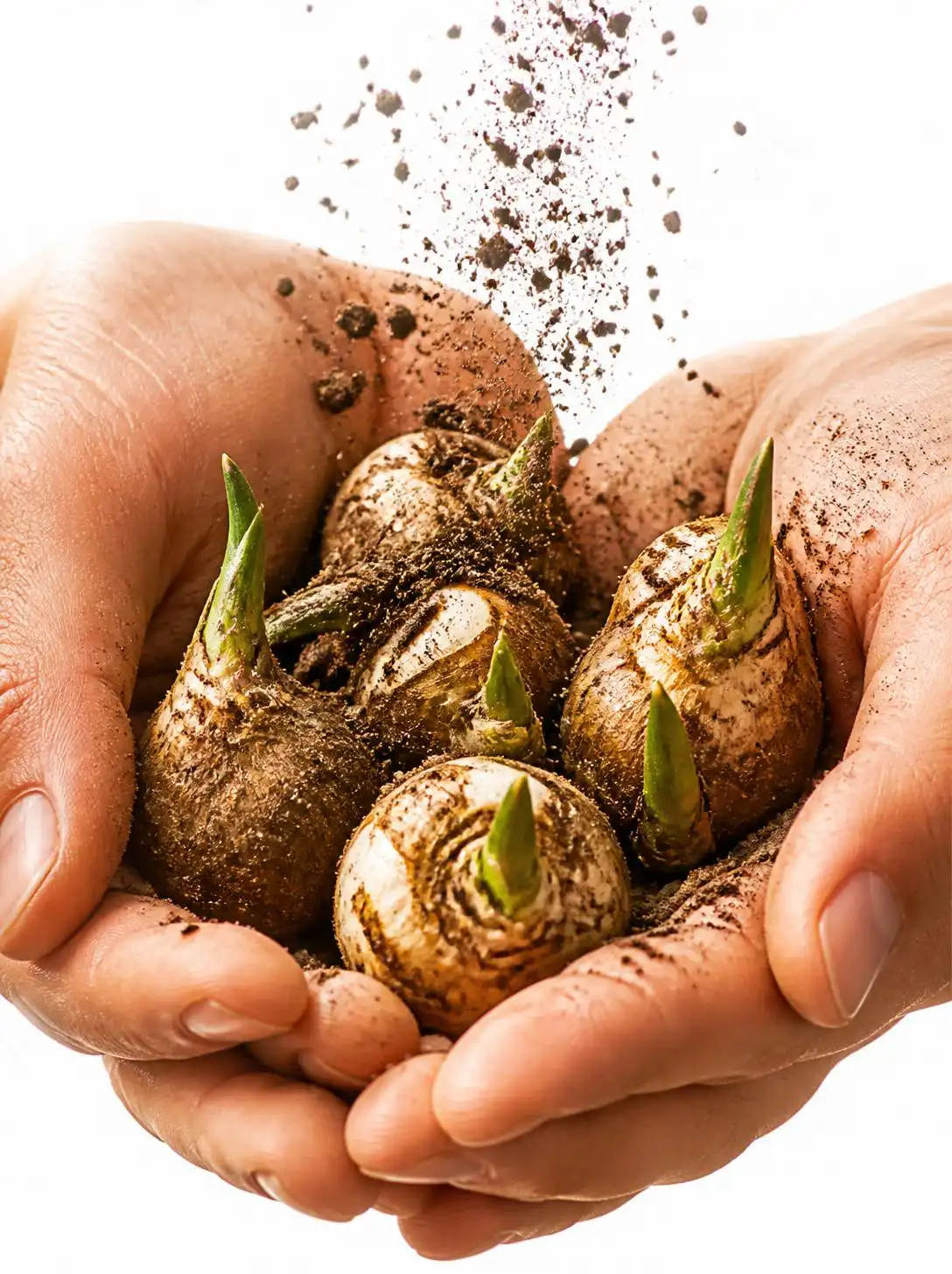
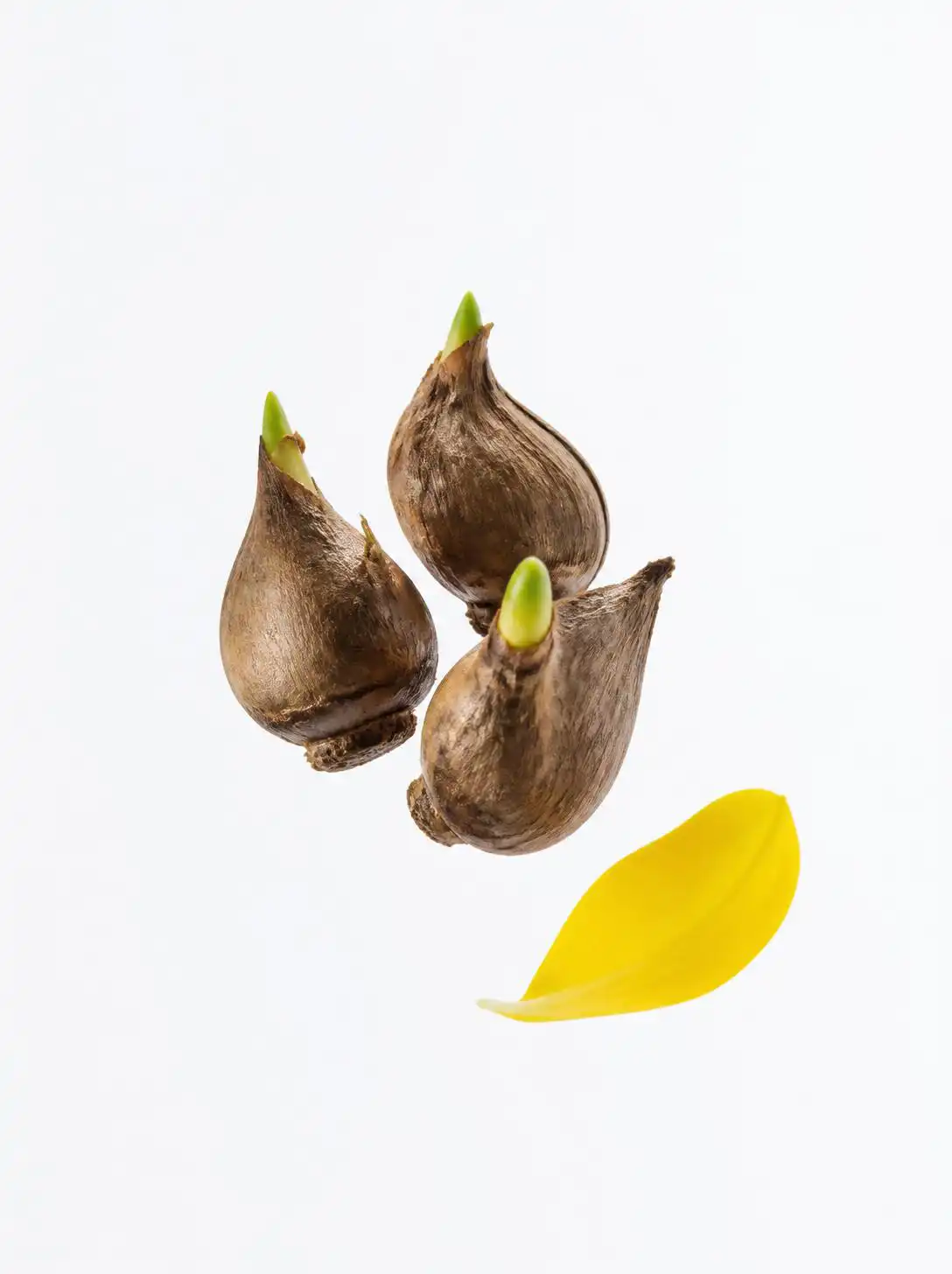
Your freesia bulbs arrive dormant — small, brown, unremarkable-looking. For the best germination rate, refrigerate them at forty to forty-five degrees Fahrenheit for four to six weeks before planting. This cold treatment mimics winter and wakes the corms up uniformly. Bury each corm two to three inches deep with the pointed end facing up, water once deeply, and then wait. Do not water again until you see green shoots. Corms sitting in cold, wet soil before they have sprouted are the number one cause of failure. Once shoots emerge — usually within three to four weeks — move into full sun and begin watering regularly. Feed every two weeks with a balanced liquid fertilizer at half strength. After flowers fade, leave every single leaf in place and keep watering for another eight to ten weeks. Those leaves are solar panels, pumping energy back into the corm for next year’s bloom.
Quick Facts
- Botanical name: Freesia spp.
- Type: Perennial corm (bulb)
- Colors: Mixed blend — white, yellow, pink, red, purple, orange
- Fragrance: Sweet, jasmine-like; white and yellow most intensely perfumed
- Bloom time: Late winter through spring; stagger plantings for continuous blooms
- Vase life: 7 to 10 days as a cut flower
- USDA hardiness: Zones 8 to 10 in ground; zones 4 to 7 start indoors or annual
- Light: Full sun after sprouting
- Pre-planting: Cold treatment at 40–45°F for 4 to 6 weeks improves germination
- Multiplication: 3 to 5 daughter cormlets per mother corm annually
- Pet safety: Mildly toxic if ingested — keep corms away from pets
Ready to fill your home with fragrance that no candle can match? Read the Care Guide tab below for planting schedules, cold treatment, and post-bloom care. For more blooming companions, browse our outdoor plant collection.
📖 Free Care Guide Included
Every plant ships with our complete care guide — watering, pruning, troubleshooting, and seasonal calendar. Read the full guide before your tree arrives →


