The Bacon Avocado Tree: Cold-Hardy Pollinator That Earns Its Own Spotlight
Bacon is often introduced as “the pollinator” — the Type B tree you plant next to your Hass to boost yields. That reputation is earned, but it sells Bacon dramatically short as a fruit in its own right. The Bacon avocado tree produces smooth, thin-skinned green fruit that stays green when ripe — do not wait for it to turn black because it will not. The flesh is lighter and cleaner-tasting than Hass, with less oil and a refreshing, almost grassy flavor that holds up beautifully in salads, sandwiches, and anywhere you want avocado to complement rather than dominate. The fruit ripens from late fall through early spring, bridging the months when Hass is between harvests. If you have ever found Hass too rich or heavy, Bacon is your avocado.
Bacon is a Mexican-race hybrid, which gives it genuine cold hardiness — mature trees survive to about twenty-four degrees Fahrenheit, making it the second most cold-tolerant variety in our collection after Brogdon. This is not a fragile tree. It is a vigorous grower, putting on twelve to eighteen inches of new growth per year in good conditions, but it responds well to pruning and stays a manageable eight to ten feet with annual shaping. Like all our avocados, Bacon is grafted — fruit in two to three years instead of the decade-plus wait from seed. University of Florida IFAS Extension notes that cold-hardy Mexican-race avocados are among the most rewarding fruit trees for home growers in marginal climates. Read our complete avocado variety guide for side-by-side comparisons of all five varieties and the A/B pollination pairing chart.
The Best Type B Partner for Your Hass
Bacon is a Type B avocado, which means its flowers are female in the afternoon of day one and male in the morning of day two — the exact opposite schedule of Hass (Type A). When Hass flowers are receptive in the morning, Bacon flowers are shedding pollen. When Bacon becomes receptive that afternoon, Hass is the pollen source. Planted within fifty feet of each other, this pairing turns what would be a modest solo crop into a significantly heavier harvest for both trees. Even if you only have space for one tree, Bacon is self-fruitful enough to justify the spot — a single mature bacon avocado tree produces thirty to fifty avocados annually. But if you already have a Hass and have been disappointed by the yield, adding a Bacon is the single highest-impact thing you can do.
Who This Tree Is For — and Who It Is Not
Perfect for: Home orchardists who already own a Hass and want to double their harvest through cross-pollination. Gardeners in USDA Zones 8b through 10 looking for a cold-hardy, reliable producer. Anyone who prefers a lighter, less oily avocado for salads and fresh eating. Container growers — Bacon stays compact with pruning and fruits reliably in pots.
Not ideal for: Growers who want Hass-identical fruit — Bacon is its own avocado, lighter and brighter in flavor. Cold-climate gardeners in Zones 4 through 7 without bright indoor winter space. Anyone unwilling to wait two to three years for the first meaningful harvest.
Quick Facts
- Botanical name: Persea americana ‘Bacon’
- Flower type: Type B — the classic pollinator partner for Hass and Gwen (Type A)
- USDA hardiness: Zones 8b to 10 outdoors; container-grown with protection in colder zones
- Cold tolerance: Survives to approximately 24°F in established trees; young trees need protection below 30°F
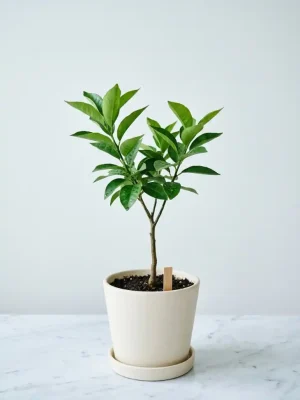
- Size at delivery: 20 to 28 inches tall (1.5–2.5 ft) — grafted sapling in nursery pot, ready to plant.
- Mature size in ground: 15 to 20 feet in ground; upright grower, approximately 23 ft spread at maturity
- Container size: 6 to 8 feet with annual pruning
- Sun: Full sun, 6+ hours daily minimum
- Pollination: Self-fruitful; yields significantly increase with a Type A pollinator (Hass, Gwen) nearby
- Years to first fruit: 2 to 3 years from a grafted sapling
- Harvest: Late fall through early spring; fruit stays green when ripe — check by gentle pressure
- Fruit: Smooth, thin, green skin; lighter, less oily flesh with clean, refreshing flavor; excellent for salads and sandwiches
- Pet safety: Fruit flesh is safe; leaves, bark, and pit contain persin — toxic to dogs, cats, horses, and birds
Ready to double your Hass harvest with the perfect pollinator? Read the Care Guide tab below for planting, pruning, and harvest timing. Pair with our Hass Avocado Tree — the Type A partner that Bacon was bred to complement. Browse our full fruit tree collection for more home orchard varieties.
📖 Free Care Guide Included
Every plant ships with our complete care guide — watering, pruning, troubleshooting, and seasonal calendar. Read the full guide before your tree arrives →
New to fruit tree care? Read our complete Fruit Tree Care Guide — soil, watering, pruning, and organic pest control for every backyard orchard.