The Lemon Tree That Keeps Giving, All Year Long
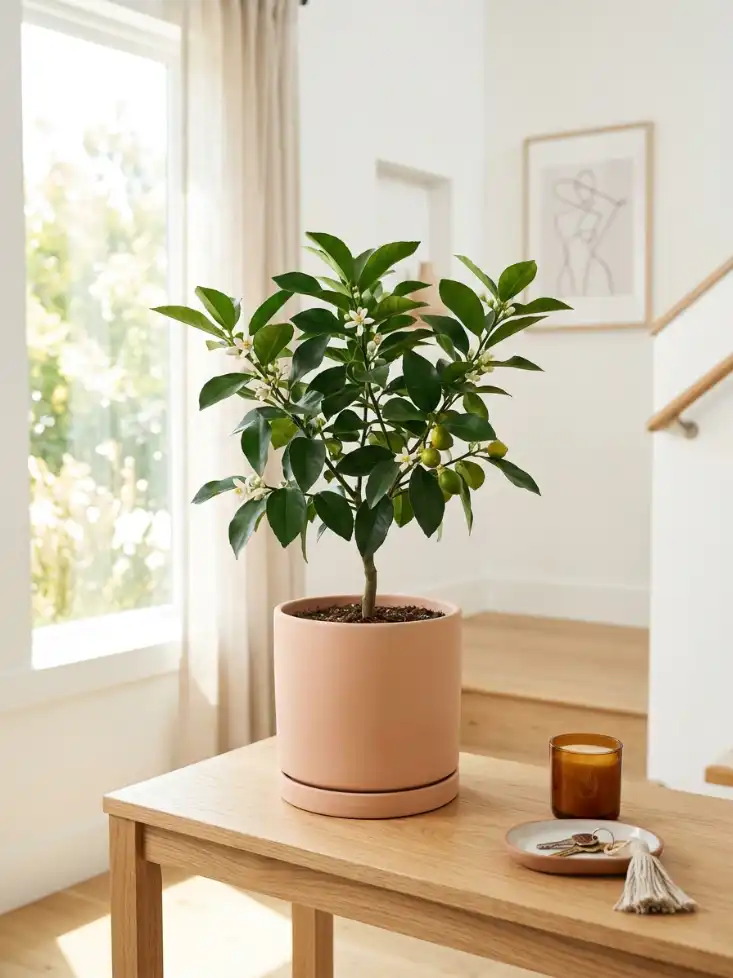
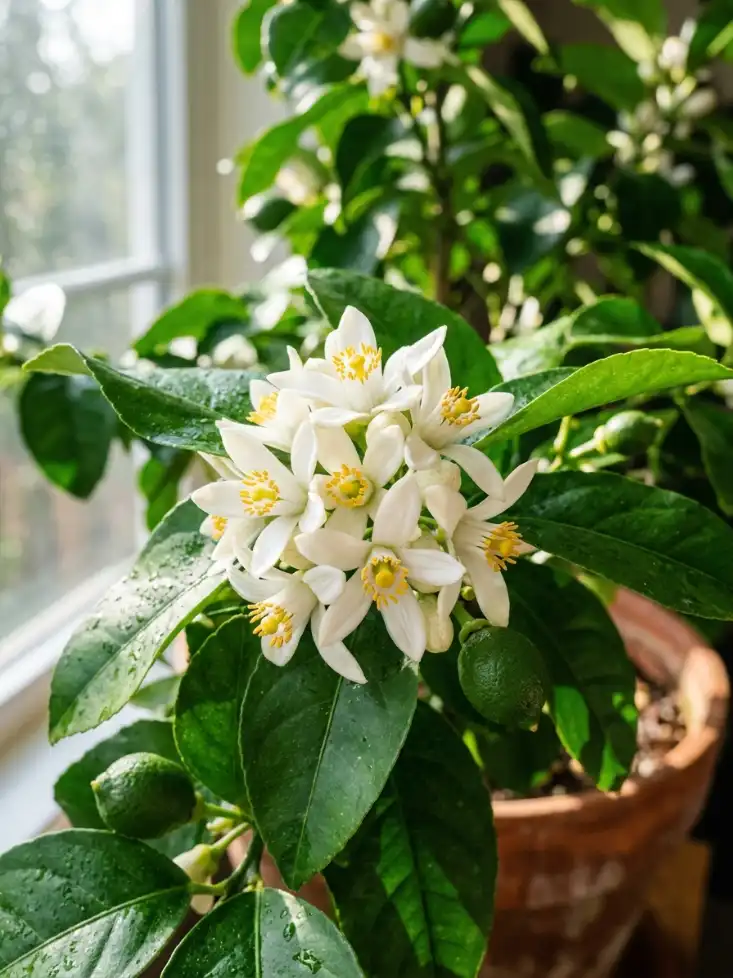
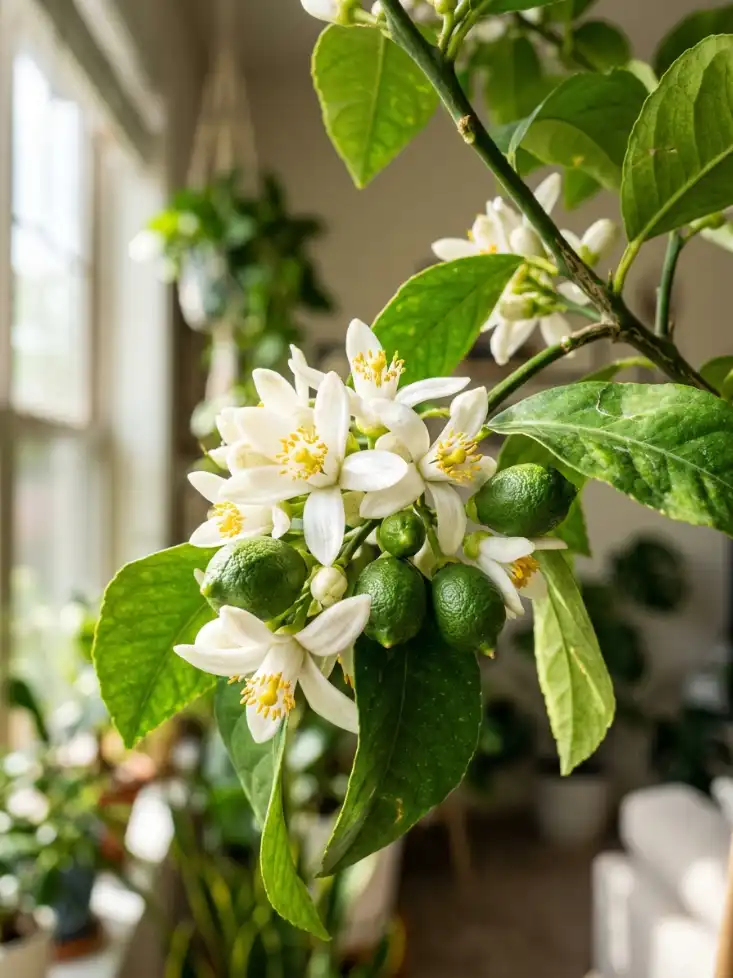
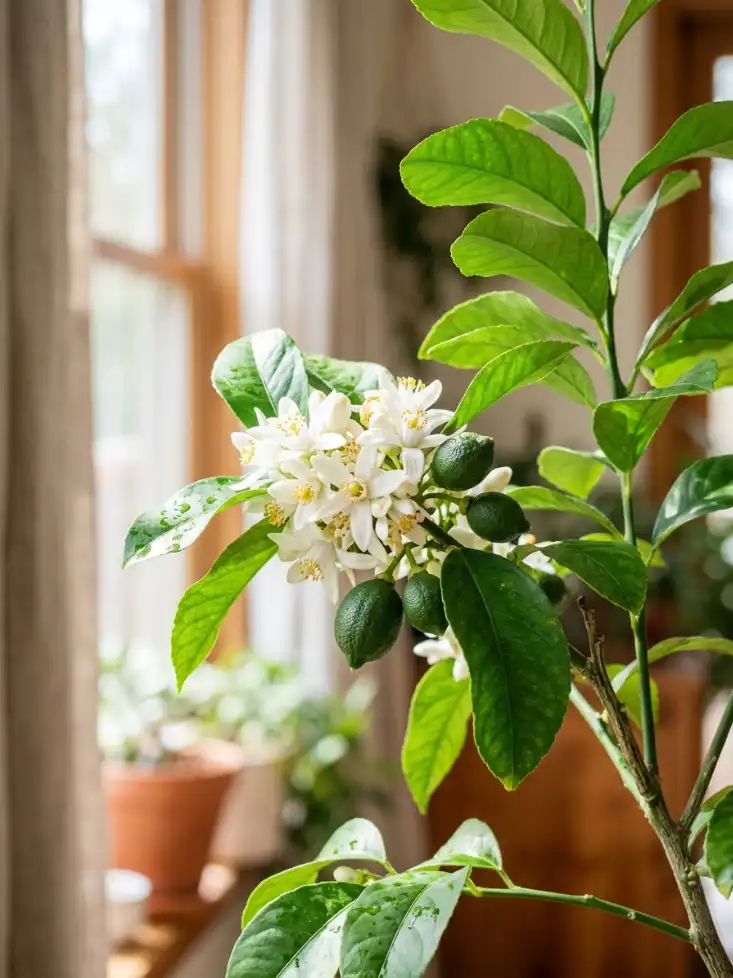
Most fruit trees give you a few frantic weeks of harvest and then clock out for the year. The Eureka lemon tree did not get that memo. Walk past a mature tree in January, and you will see ripe yellow lemons hanging among fragrant white blossoms and marble-sized green fruit — flowers, baby lemons, and ready-to-pick fruit, all on the same branches at the same time. It is the citrus equivalent of a restaurant that never closes.
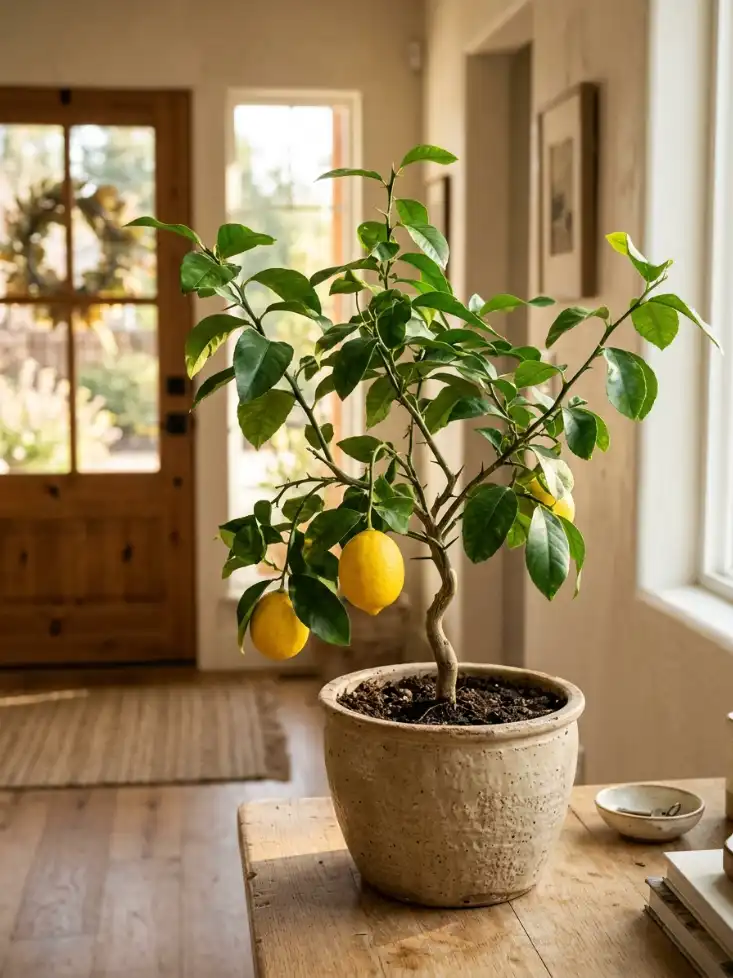
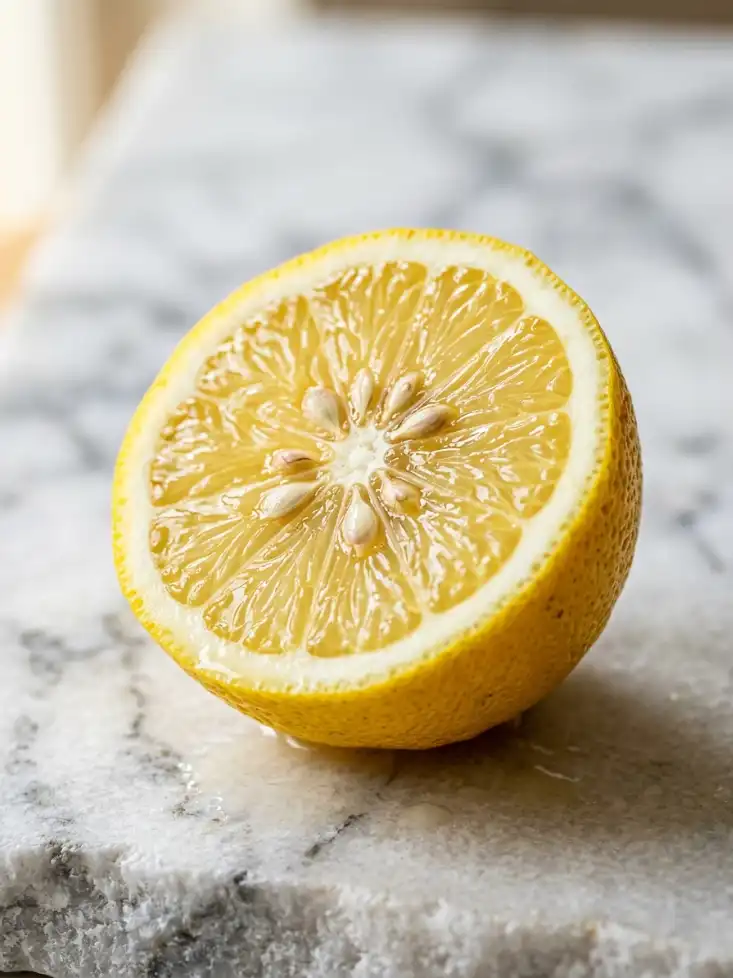
Eureka is the grocery store lemon you grew up with — the bright yellow, oval fruit with the tangy, acidic kick that wakes up everything it touches — but a homegrown one is a different animal entirely. Store lemons are picked green and gassed to yellow in a warehouse. A tree-ripened Eureka, left on the branch until it pulls away with a gentle twist, has thinner skin, more juice, and an aromatic oil in the peel that you can smell from across the kitchen. Squeeze it over fish, stir it into a drink, rub the zest into sugar for baking. You will wonder why you ever settled for the waxed, hard-skinned fruit in the produce aisle.
We source our lemon trees from a specialist citrus nursery that grafts onto vigorous rootstock selected for container adaptability and early fruiting. A grafted tree skips the 5-to-7-year wait of seed-grown citrus and can start producing in as little as two to three years. In the ground in zones 9 through 11, it eventually reaches 10 to 15 feet. In a large container — and Eureka is one of the best citrus varieties for pot culture — it stays a manageable 4 to 6 feet, producing 20 to 50 lemons a year from a pot you can roll through a doorway.
Why Eureka Beats the Grocery Store
- Year-round harvest. Unlike most fruit trees that deliver one crop and call it a season, Eureka is everbearing. The heaviest harvest comes in winter and early spring, but you will find ripe fruit on the tree in every month of the year. That means lemonade in July, lemon bars in December, and a steady supply for the kitchen without the seasonal panic of preserving a bumper crop all at once.
- Nearly seedless, actually juicy. The Eureka variety is prized for producing fruit with very few seeds — often none at all — and a high juice content. A single fully ripe lemon yields three to four tablespoons of juice, double what you get from a store-bought fruit. The rind is thinner and packed with fragrant oil that makes zesting genuinely worthwhile instead of a chore.
- Container-friendly by nature. Not all citrus plays nice in a pot. Eureka does. With a well-draining citrus mix, a south-facing spot, and monthly feeding during the growing season, it will fruit reliably in a 16-to-20-inch container. In zones below 9, overwinter the tree indoors near a bright window. It may drop a few leaves in protest, but it bounces back fast when spring returns. University extension has a detailed guide on container citrus care.
- A tree that earns its space. Even when it is not fruiting, Eureka is a handsome evergreen with glossy dark leaves and fragrant white blossoms that perfume the air around it. Plant one near a walkway or patio, and the scent of citrus bloom alone is worth the price of the tree.
What to Expect When Your Tree Arrives
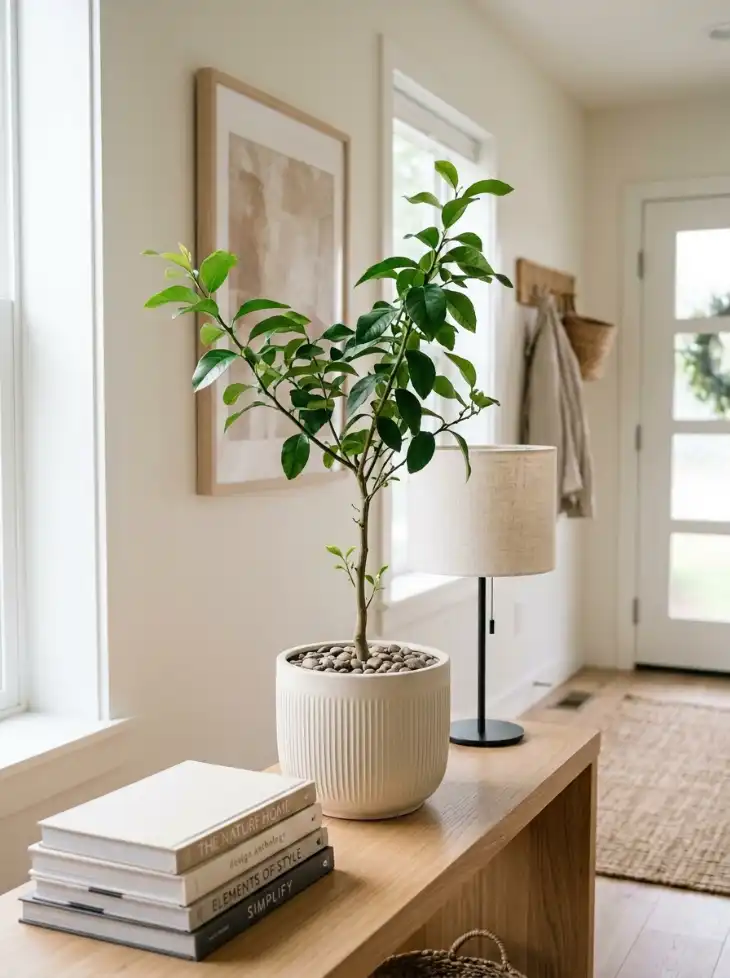
Your Eureka lemon arrives as a young, grafted sapling — well-rooted, about 12 to 18 inches tall, and already on its way. Plant it in well-draining soil in full sun, water it deeply and regularly during the first growing season, and feed it monthly with citrus fertilizer from March through September. In the first year, let it focus on roots and branches. Pinch off any flowers that appear — this redirects energy into establishment. By year two or three, you can let it flower and fruit, and you should see your first meaningful harvest. After that, the tree picks up momentum every year. Browse our full citrus collection for companion varieties like kumquat and hardy orange.
📖 Free Care Guide Included
Every plant ships with our complete care guide — watering, pruning, troubleshooting, and seasonal calendar. Read the full guide before your tree arrives →
New to fruit tree care? Read our complete Fruit Tree Care Guide — soil, watering, pruning, and organic pest control for every backyard orchard.


