Why the Finger Lime Is Unlike Any Citrus You Have Ever Seen
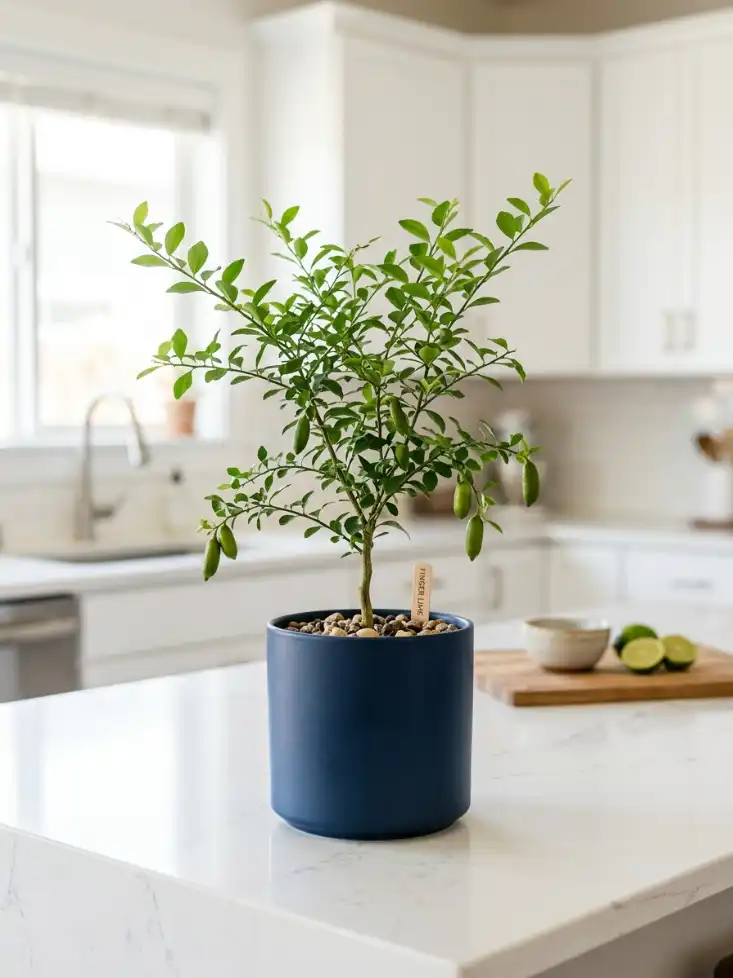
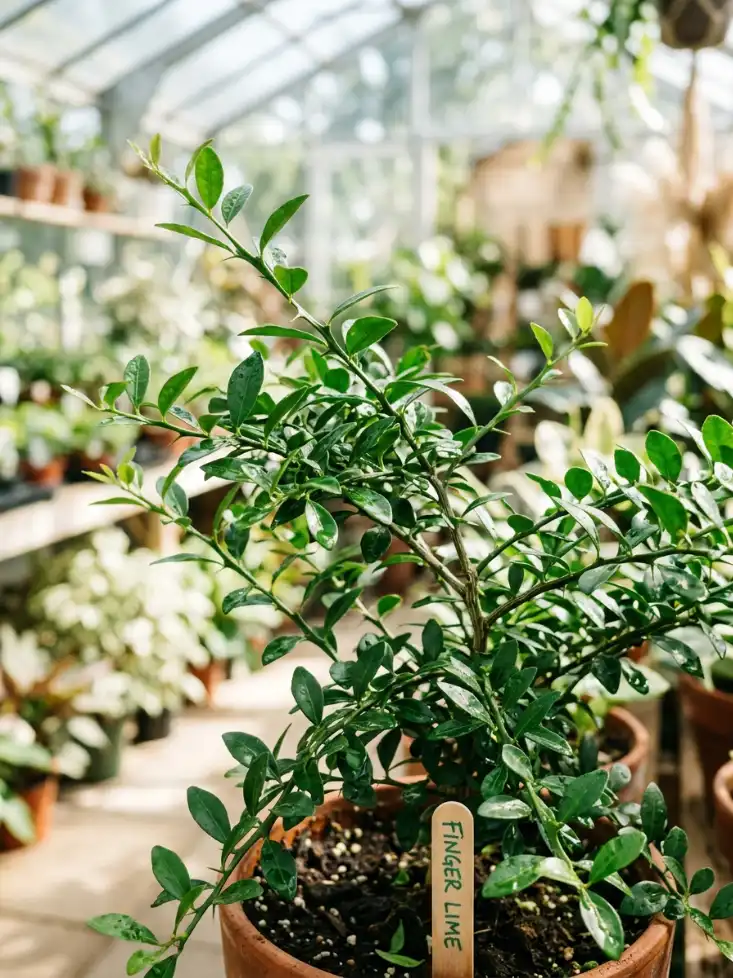
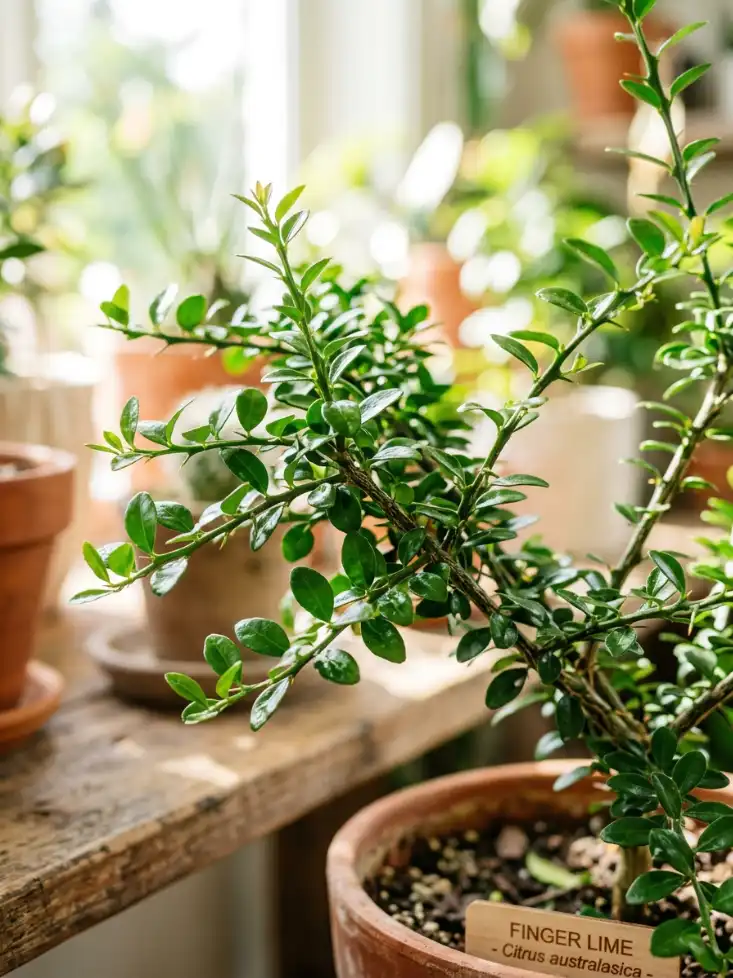
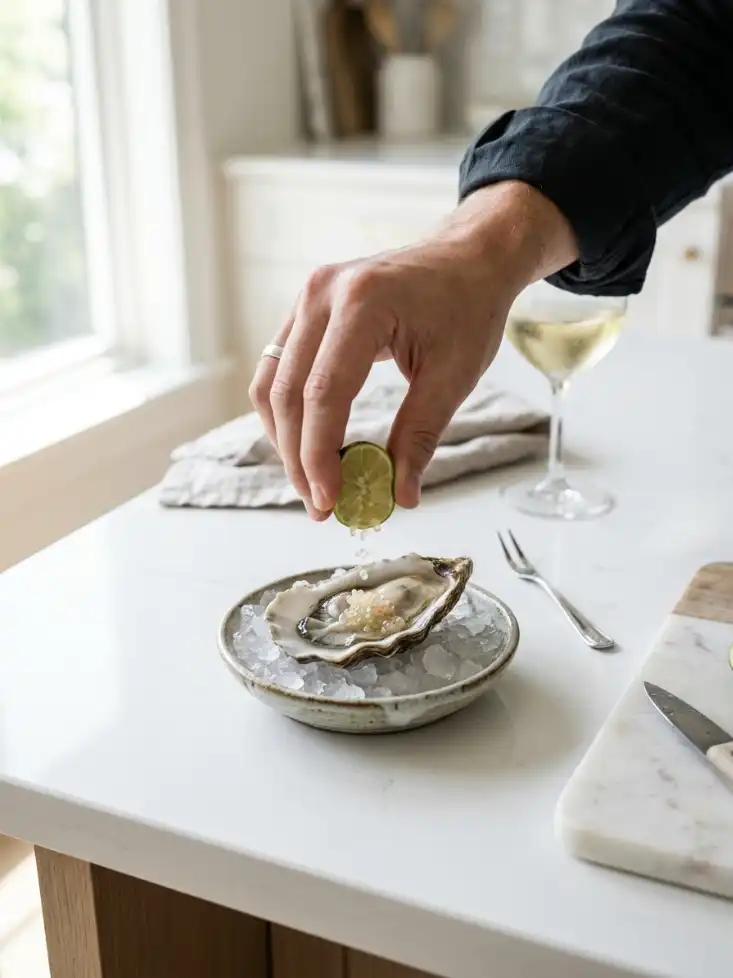
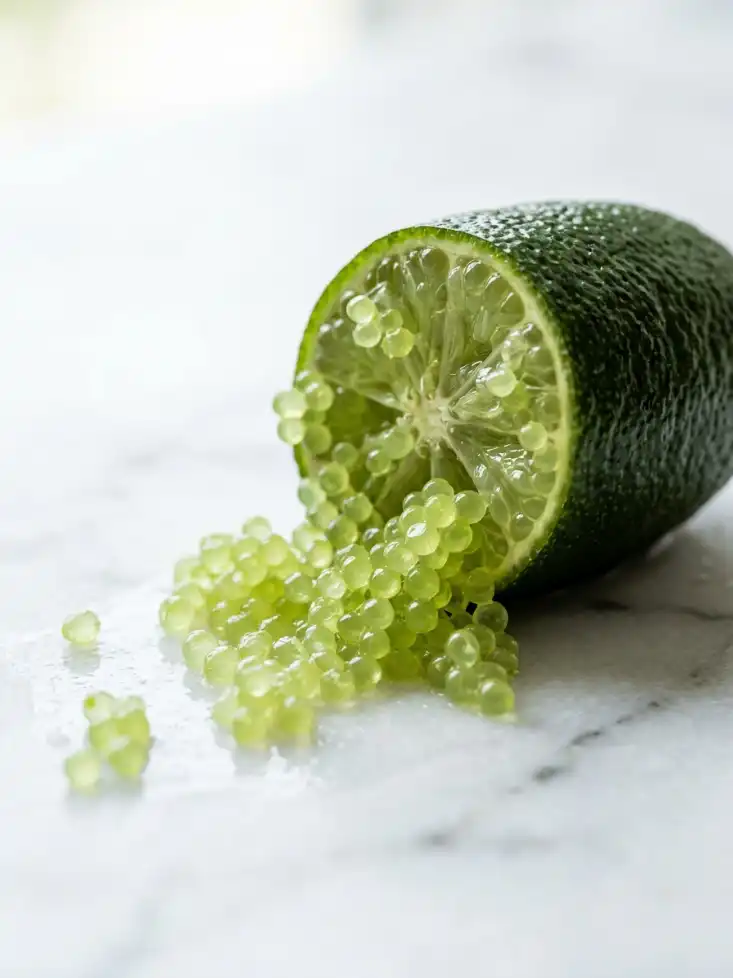
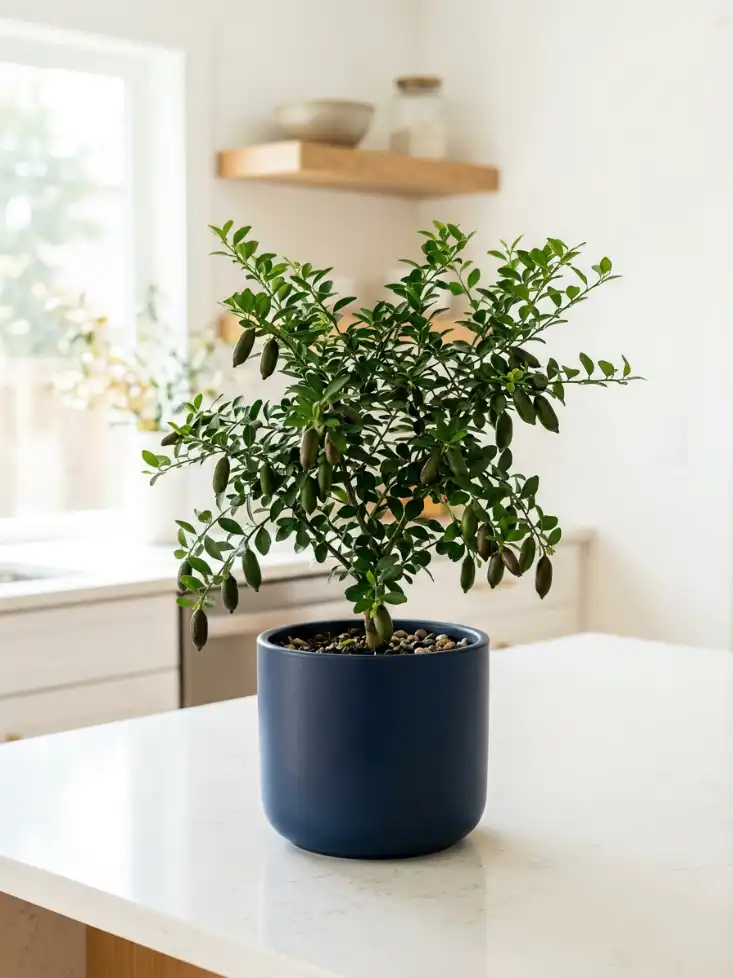
Australian finger lime (Citrus australasica) — as documented by the Australian National Botanic Gardens — produces the most unusual fruit in the citrus family. Slice one open and instead of segments, you will find hundreds of pearl-like juice vesicles — tiny, translucent spheres that pop between your teeth like citrus caviar. Chefs pay a premium for these as a garnish. Bartenders use them in craft cocktails. And home growers grow them because a single tree produces hundreds of these conversation-starting fruit every year. Read our complete finger lime care guide for detailed growing instructions. Our grafted Australian finger lime is, 24–32 inches tall — already well-established and far ahead of the tiny seedlings most sellers ship.
⚠️ Why Grafted Matters — and Why Most Finger Limes Take 7 Years
The #1 frustration on citrus forums: “I’ve had my finger lime for 5 years and nothing.” Seed-grown finger limes take 5–7 years to fruit — and sometimes longer. A grafted tree skips the juvenile phase entirely. Our grafted 24–32 inches tree is already at fruiting size. You skip the 5-year wait and get a tree that can produce its first caviar limes within 1–2 growing seasons. This is the difference between watching a stick in a pot and harvesting your own citrus caviar.
What Makes Finger Lime Special
| Fruit | Finger-shaped, 2–4 inches long. Slice open to reveal hundreds of pearl-like juice vesicles — “citrus caviar.” Colors range from green to pink to deep red depending on variety |
| Flavor | Bright, tangy, lime-like with herbal undertones. The vesicles burst between your teeth — an entirely different experience from eating a lemon or lime |
| Tree Size | 6–10 ft in ground, 4–6 ft in a container. Our tree arrives 24–32 inches tall — grafted and well-branched |
| Grafted | Yes — grafted onto hardy rootstock. Fruits in 1–2 years vs. 5–7 years from seed. This is the single most important factor in when you will harvest your first fruit |
| Thorns | Yes — finger limes are thorny. The thorns are part of the plant’s natural defense. Wear gloves when harvesting or pruning |
| Hardiness | USDA Zones 9–11 outdoors. Protect from frost. Container-friendly — move indoors in zones 8 and below |
| Light | Morning sun, afternoon shade. This is critical — finger limes are rainforest understory plants. They burn in harsh afternoon sun. Most guides get this wrong |
| Container | Excellent container tree. Many growers report better results in pots than in the ground — you control the drainage and soil pH |
The Light Myth — Why “Full Sun” Advice Is Wrong
Almost every finger lime guide tells you “full sun.” This is incorrect — or at least incomplete. Finger limes evolved as understory plants in Australian rainforests, where they receive dappled morning light and afternoon shade filtering through the canopy. In full, blazing afternoon sun — especially in zones 9–11 — the leaves scorch, the tips die back, and the tree struggles. Multiple growers on the Tropical Fruit Forum report that their finger limes only recovered when moved from full sun to a spot with morning sun and afternoon shade. In my own experience: east-facing exposure with protection from 2 PM onward is ideal. If you only have a south or west-facing spot, use a 30–40% shade cloth during the hottest months.
Planting Your Finger Lime
- Container (recommended): Finger limes generally perform better in pots than in the ground. Use a 5–7 gallon pot to start, sizing up to 15 gallons as the tree matures. Terracotta breathes best. Citrus/cactus potting mix — fast-draining, slightly acidic.
- In-ground: Only in zones 9–11. Well-draining sandy loam. pH 5.5–6.5. Avoid heavy clay — finger limes hate wet feet more than any citrus I have grown. On clay soil, plant on a raised mound.
- Planting depth: Graft union well above the soil line. Burying the graft = rootstock takes over and you lose your variety.
Watering — The Balance That Prevents Die-Back
- The rule: Consistent moisture but never waterlogged. Let the top 1–2 inches of soil dry between waterings. In summer: every 5–7 days. In winter: every 10–14 days.
- The #1 killer: Overwatering. Finger lime roots rot in constantly wet soil faster than any citrus I know. If you see random branch tips dying back while the rest of the tree looks healthy, you are overwatering.
- Water quality: Like all citrus, finger limes are sensitive to hard, alkaline tap water. If your water is hard (pH above 7.5), use rainwater or filtered water. Brown leaf tips that are not crispy = alkaline water stress.
Feeding — Light but Consistent
- Citrus-specific fertilizer with micronutrients (iron, zinc, manganese) every 6–8 weeks during the growing season (March–September). Finger limes are light feeders — half the label rate is safer than full strength.
- ⚠️ Never use high-nitrogen lawn fertilizer near your finger lime. The nitrogen surge pushes weak, sappy growth that attracts aphids and is vulnerable to cold damage.
- Iron deficiency alert: Yellow leaves with green veins = the soil pH is too high for iron uptake. Chelated iron foliar spray greens them up within 2 weeks.
Pruning — Minimal, Watch the Thorns
- Remove: Dead, crossing, or inward-growing branches. Random twig die-back is normal — prune out dead tips when you see them.
- Thorns are part of the deal. Finger limes are thorny plants — wear leather gloves when pruning or harvesting. The thorns protect the fruit from wildlife in nature.
- Shape: Finger limes naturally grow as a shrub. Light annual pruning maintains shape and encourages airflow. Do not over-prune — the tree is naturally sparse and does not need heavy thinning.
Troubleshooting
| Problem | Likely Cause | Fix |
| Yellow leaves, green veins | Iron deficiency — soil pH too high | Chelated iron foliar spray. Use citrus fertilizer with micronutrients. Acidify soil with sulfur. |
| Random branch tips dying back | Normal (minor) OR overwatering (severe) | A few dead tips = normal, prune them. Widespread die-back = overwatering — reduce frequency, check drainage. |
| Scorched, brown leaves | Too much direct afternoon sun | Move to a location with morning sun and afternoon shade. Use 30–40% shade cloth if you cannot move the tree. |
| No fruit after 2+ years (grafted tree) | Insufficient light, inconsistent water, or nutrient deficiency | More morning sun. Even moisture during flowering. Switch to high-potassium citrus feed. |
| Slow growth | Normal. Finger limes invest heavily in roots first | Expect slow top growth for the first 1–2 years. The tree is building its root system. Growth accelerates in year 3. |
Frequently Asked Questions
When will my finger lime tree fruit?
Why does my finger lime need afternoon shade?
Is finger lime the same as caviar lime?
Can I grow finger lime indoors?
🍋 Grow Your Own Citrus Caviar
Our 24–32 inches grafted Australian finger lime is ready for your patio or garden. Browse our fruit tree collection or see our Kumquat Tree — another container-friendly citrus for home growers.
📖 Free Care Guide Included
Every plant ships with our complete care guide — watering, pruning, troubleshooting, and seasonal calendar. Read the full guide before your tree arrives →
New to fruit tree care? Read our complete Fruit Tree Care Guide — soil, watering, pruning, and organic pest control for every backyard orchard.

-scaled-300x400.webp)

